Synchronizing ambient audio cues with rollover timelines when shifting funds between reel mechanics and card room selections during overlapping event markets
Mara Albrecht · May 27, 2026
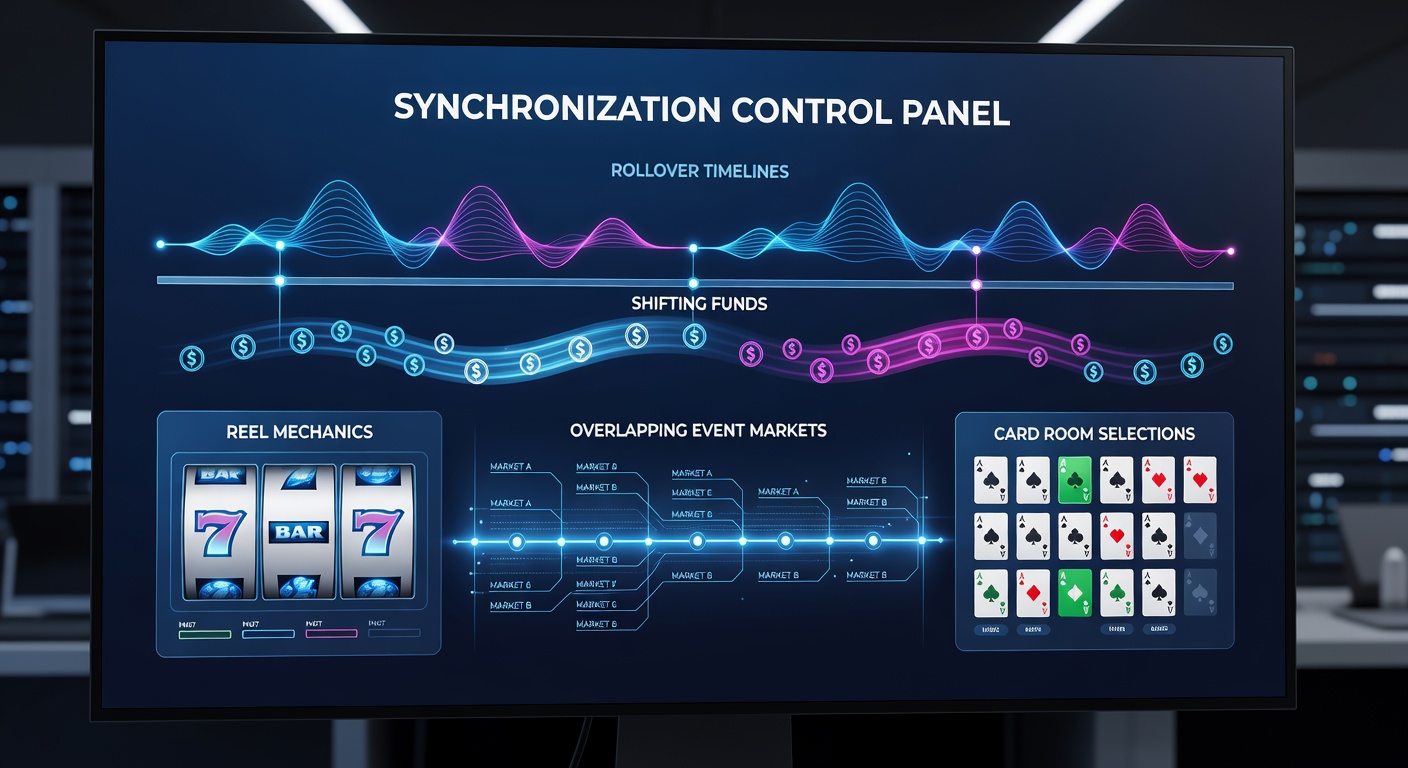
Synchronizing ambient audio cues with rollover timelines when shifting funds between reel mechanics and card room selections during overlapping event markets
Integrated resorts now coordinate ambient audio signals with bonus rollover schedules as players transfer balances between slot machines and table game areas while multiple promotions run at once, and data from venue management platforms shows these alignments affect session durations across different gaming zones.
Reel mechanics refer to the internal timing cycles of slot systems, whereas card room selections involve live dealer tables and poker configurations that operate on separate payout verification processes; when event markets overlap, such as sports contests running concurrently with slot tournaments or table game leaderboards, fund movement requires precise timing to meet bonus conditions without triggering resets.
Audio cue design in multi-zone environments
Sound systems in large venues emit layered tones that correspond to countdown markers on rollover requirements, and operators adjust volume and frequency based on traffic patterns between machine banks and felt areas. Studies from the University of Nevada, Las Vegas gaming research division indicate that low-frequency pulses often mark the final 15 minutes of a rollover window, while higher chimes signal completed fund transfers to card room stations during peak overlap periods.
Technicians program these cues through centralized control software that pulls data from both slot accounting servers and table management systems, ensuring the audio matches real-time balance movements as players shift from one format to another.
Rollover timelines and fund transfer protocols
Rollover timelines track the playthrough obligations attached to promotional credits, and these clocks continue running regardless of which gaming product a participant selects. When overlapping event markets create simultaneous opportunities, such as a slot leaderboard coinciding with a blackjack side bet promotion, players must complete transfers within windows that audio cues help delineate.
Systems log each movement through secure ledgers that update both the reel mechanics interface and the card room terminal at the same moment, and regulatory filings show that venues in multiple jurisdictions maintain audit trails for these synchronized actions to verify compliance with bonus rules.
Handling overlapping event markets
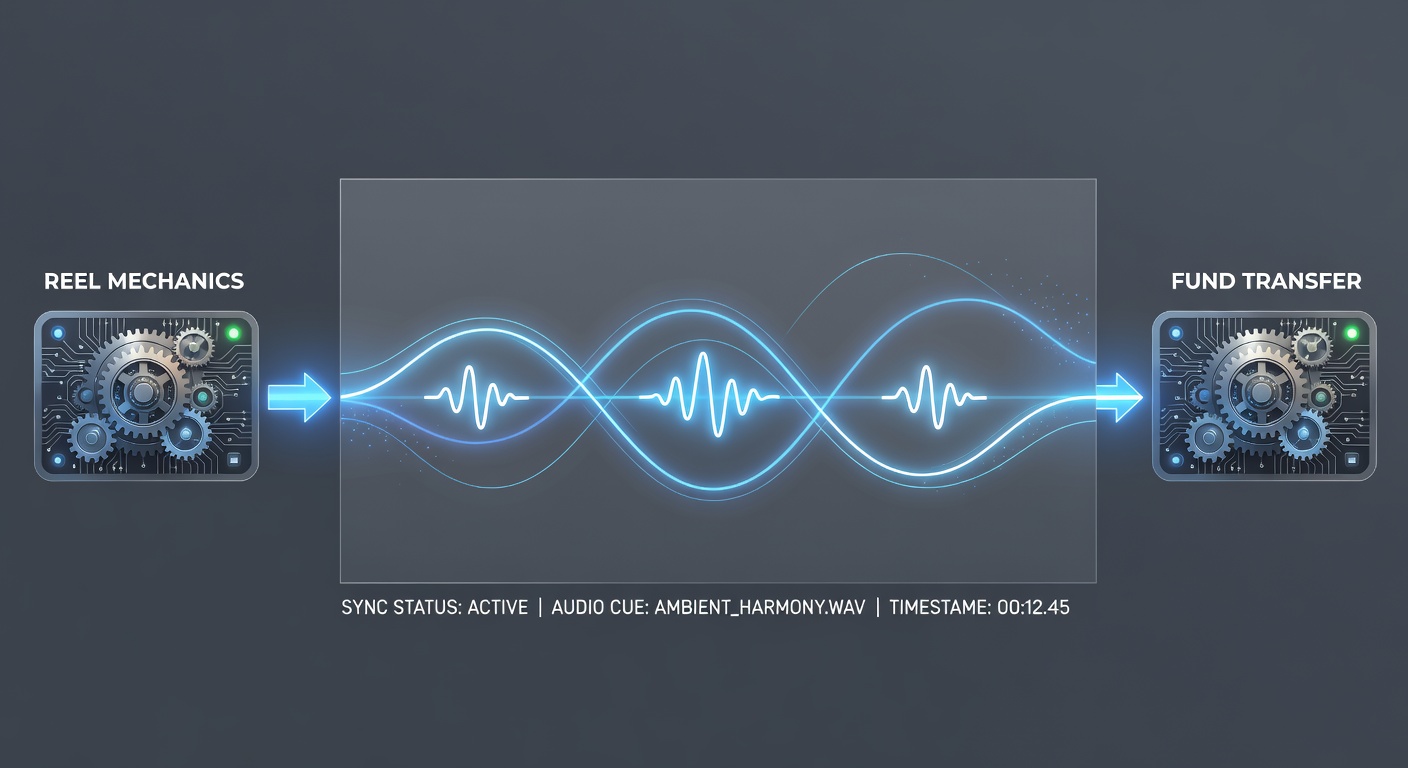
Overlapping event markets occur when sports betting lines, table game tournaments, and slot promotions share the same hours, and audio synchronization becomes a tool for guiding transitions without interrupting play flow. In May 2026, several properties plan to test expanded audio layers that incorporate real-time event data feeds, allowing cues to adjust dynamically when new overlapping opportunities appear on digital boards.
Industry reports from the Nevada Gaming Control Board document how such systems reduce discrepancies in bonus tracking across formats, while similar frameworks appear in Canadian provincial operations where integrated venues manage cross-product playthrough requirements during busy festival periods.
Case examples include facilities that route specific tone sequences to different floor zones, so a player near the reels hears a distinct signal compared to someone already seated at a card table, and this differentiation helps maintain accuracy when balances move between the two environments.
Technical integration methods
Software platforms link audio output devices with financial transaction processors and event calendars, creating a unified timeline that updates every few seconds. Observers note that successful implementations rely on redundant checks between the slot network and the table game database to prevent desynchronization during high-volume transfer periods.
Technicians calibrate speaker arrays and subwoofers to carry signals across open spaces without distortion, and they test these setups against historical data on player movement patterns during multi-event weekends. The approach allows venues to maintain consistent cue delivery even as crowd levels fluctuate.
Conclusion
Facilities continue refining the connection between ambient audio and rollover tracking as integrated gaming environments grow more complex, and the coordination supports accurate fund shifts between reel mechanics and card room selections whenever event markets coincide. Data collected through these systems contributes to operational adjustments that align with regulatory expectations across different regions.