Shifting Focus from Obvious Wagers: How Architectural Flow in Resorts Shapes Bet Timing Across Table Games and Digital Sports Markets
Mara Albrecht · May 17, 2026
Shifting Focus from Obvious Wagers: How Architectural Flow in Resorts Shapes Bet Timing Across Table Games and Digital Sports Markets
Resort architects have refined spatial sequences over decades so that guest movement aligns with peak betting windows, and data from multiple properties show how entry points, sightlines, and transitional zones steer players away from immediate high-visibility wagers toward timed decisions that match both table-game rhythms and digital sports-market updates.
Pathway Design Directs Early-Day Activity
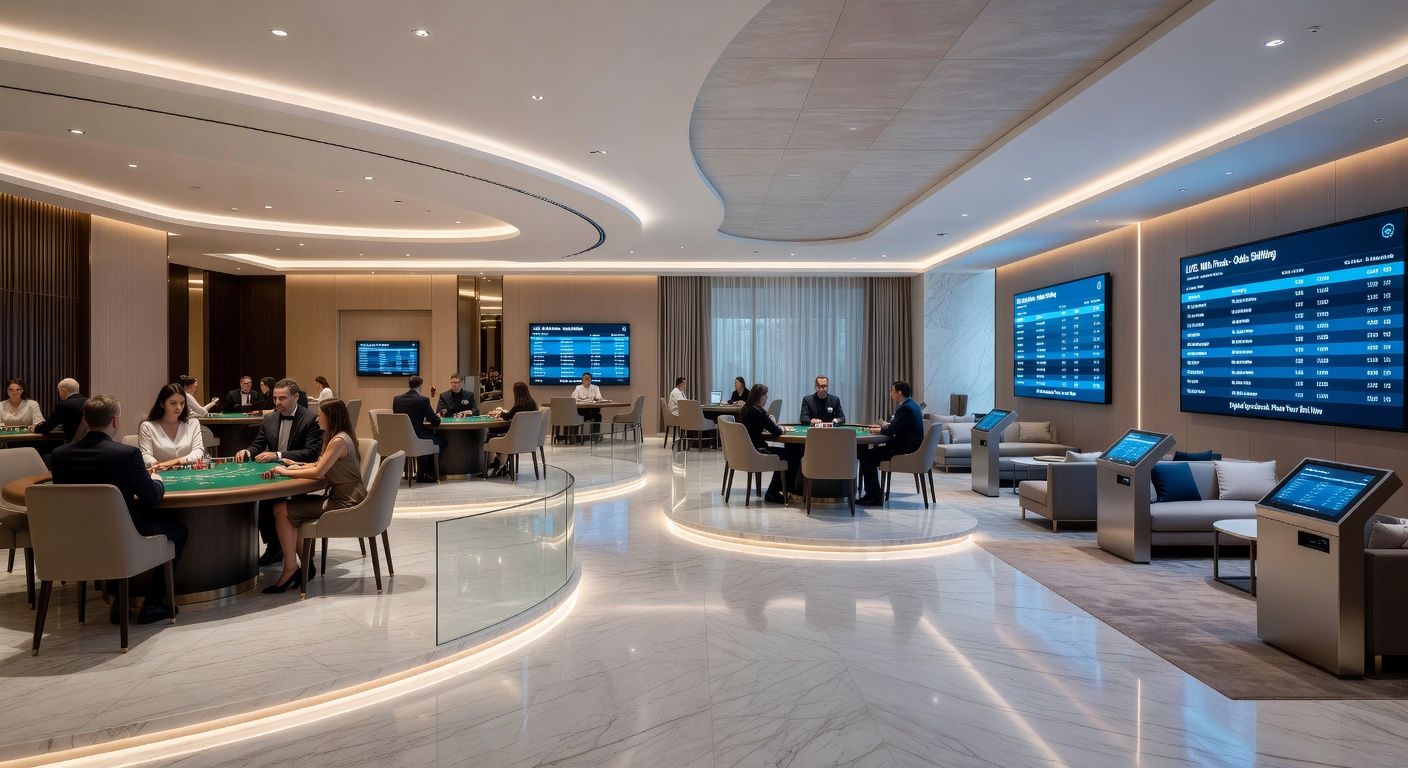
Wide, sunlit corridors that lead from hotel towers into casino floors encourage morning arrivals to linger near digital sports terminals first, where live odds refresh continuously, before they reach the more enclosed table areas that open later in the day; observers tracking foot traffic in several major properties note that these linear routes reduce impulse bets at the nearest craps tables and instead promote pre-game sports wagers that can be monitored while guests continue walking.
Design teams incorporate subtle elevation changes and curved walls that slow walking speed near sportsbook lounges, creating natural pauses that coincide with key sports events such as European soccer fixtures or U.S. baseball afternoon games, and this measured pacing has been documented in traffic studies conducted through May 2026.
Lighting and Acoustics Shape Evening Table Timing
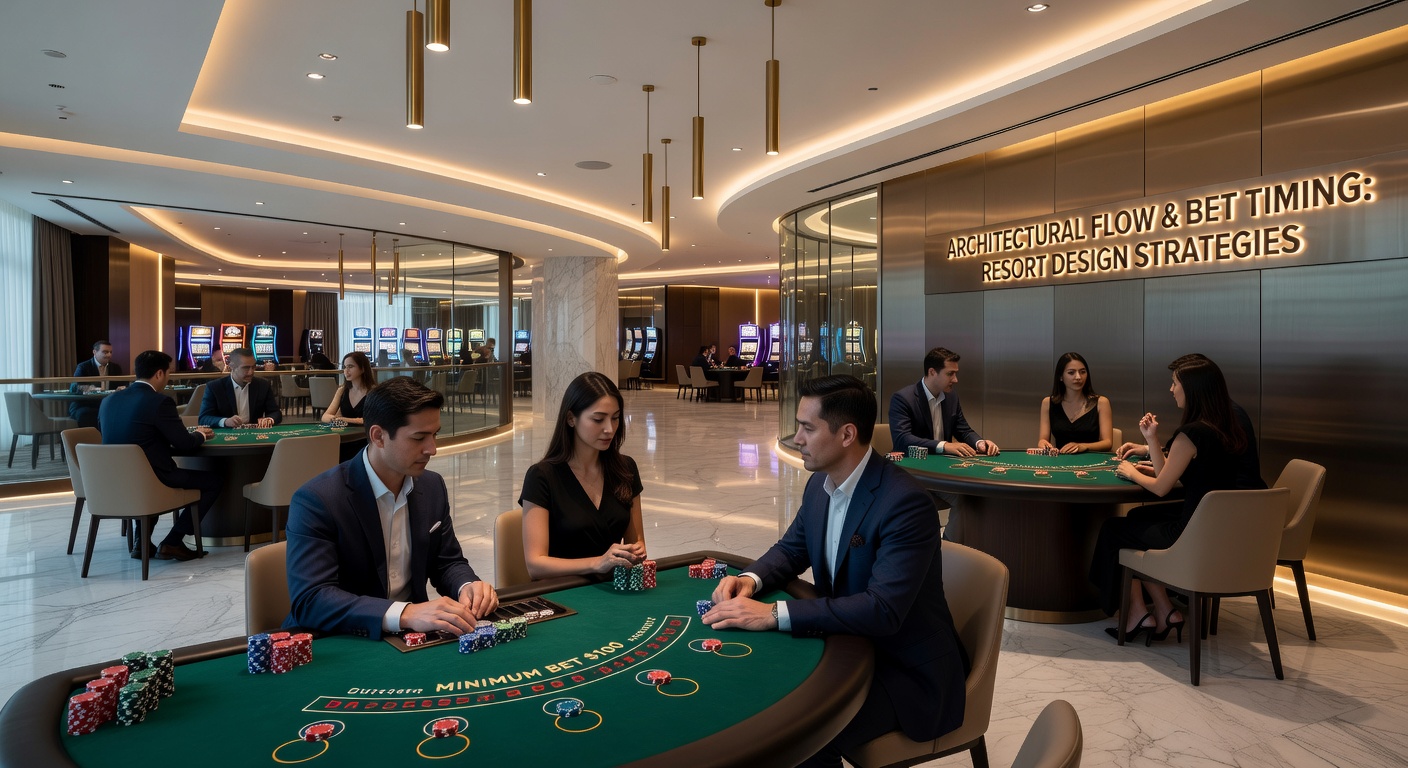
Dimmer, warmer lighting zones that activate after 6 p.m. draw patrons toward blackjack and roulette pits, yet the same transition zones feature digital screens that display rolling sports lines so players can place secondary bets without leaving the table vicinity; researchers at hospitality programs have recorded that average dwell time at these hybrid stations rises when architectural sightlines keep both the felt and the screens visible simultaneously.
Soundscapes play a parallel role because low-volume ambient tracks near table clusters mask the louder cheers from distant sports bars, allowing focused play while still permitting guests to hear score updates that prompt quick digital adjustments through resort apps.
Integration of Digital Layers Within Physical Flow
Many resorts now embed compact betting kiosks along primary circulation paths rather than clustering them in separate rooms, so a guest moving from a poker room to a restaurant can register a live basketball prop bet without altering direction; this placement pattern, which expanded noticeably through early 2026, correlates with higher volumes of smaller, timed wagers that supplement traditional table play.
Property operators report that when kiosks sit within ten meters of active table rows, cross-activity increases because players can monitor both a dealer’s shuffle and a live odds feed without breaking visual contact, and similar configurations appear in newer Asian and North American developments that opened or renovated during the first half of 2026.
Regional Examples and Measured Outcomes
Properties in the southwestern United States have adopted atrium designs that funnel morning arrivals past expansive video walls showing international sports calendars, resulting in documented spikes in pre-noon digital bets that taper once guests reach the table zones after lunch; analysts tracking these patterns cite figures released by the American Gaming Association that show a steady rise in hybrid session lengths across comparable venues.
Meanwhile, resorts in the Asia-Pacific region use multi-level terraces where upper floors house quieter table areas and lower promenades host high-energy sports viewing decks; movement studies indicate that guests descending these terraces often place their first table wager only after checking updated lines on personal devices, a sequence reinforced by the physical descent itself.
Canadian regulatory summaries further illustrate how enclosed bridge connections between hotel wings and gaming floors create scheduled pauses that operators use to promote time-limited digital promotions tied to specific sports events, and these interventions have produced measurable shifts away from random walk-up bets toward more deliberate timing.
Conclusion
Architectural decisions about sequence, lighting, acoustics, and kiosk placement continue to recalibrate when and where resort guests choose their wagers, moving activity away from the most obvious immediate options and toward synchronized moments across table games and digital sports markets; ongoing data collection through 2026 confirms that these spatial strategies produce consistent, repeatable effects on betting cadence without requiring changes to game rules or odds structures.