Resort Pathway Designs and Their Influence on Bet Placement Timing in Integrated Gaming Venues
Theo Simon · May 24, 2026
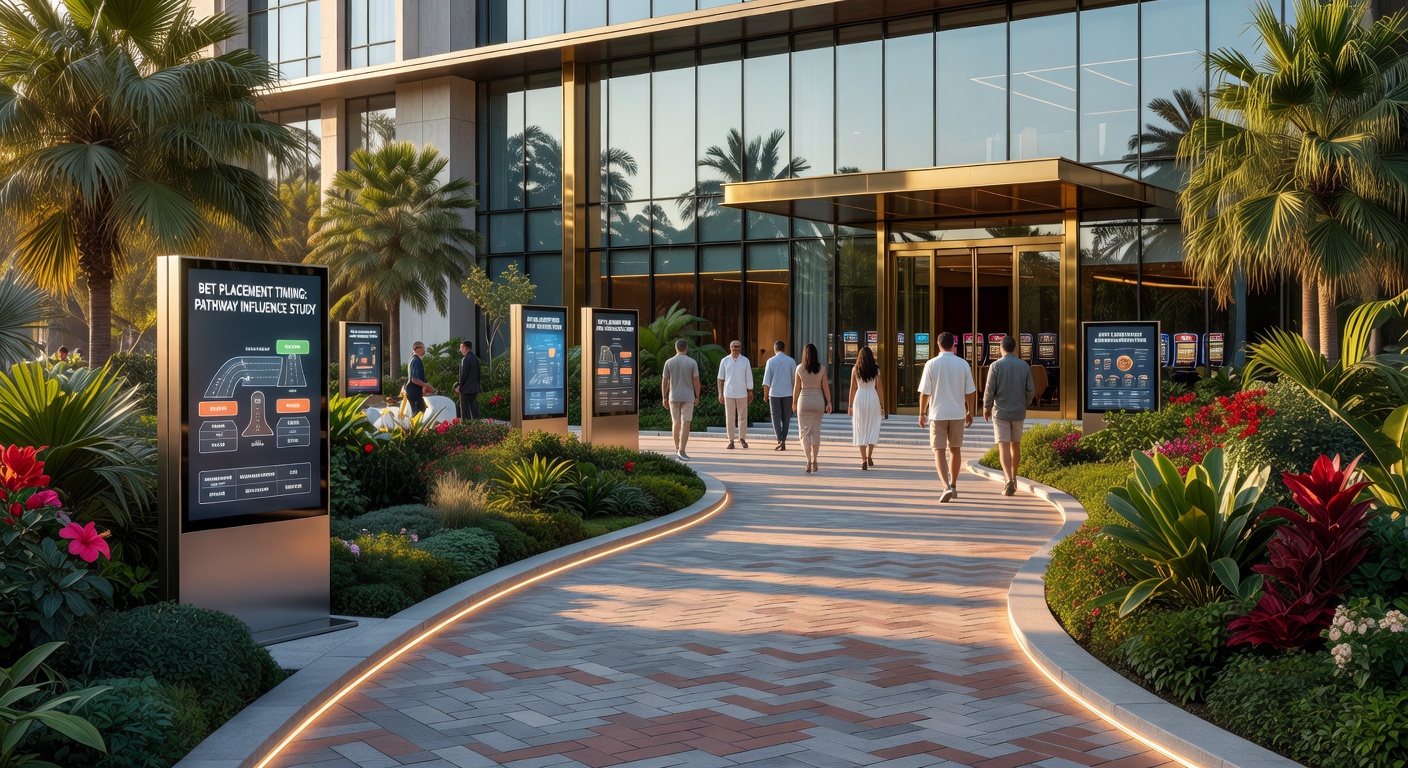
Resort Pathway Designs and Their Influence on Bet Placement Timing in Integrated Gaming Venues
Integrated gaming venues combine hotels, restaurants, entertainment spaces, and multiple betting formats under one roof, and their internal pathways shape how visitors move through these environments. These routes determine when guests encounter slot machines, live dealer tables, or digital sports markets, which in turn affects the timing of wager placement across different product categories. Observers note that traffic patterns established during initial construction or renovation projects guide foot traffic in ways that align with peak activity periods throughout the day. Designers incorporate wide promenades near hotel lobbies that gradually narrow into themed corridors leading toward gaming floors. This progression creates natural pauses where visitors assess options before committing to specific betting activities. Data from venue operators shows that guests who follow these primary routes tend to place initial wagers within fifteen to twenty minutes of entering the gaming area, whereas those who detour through retail zones delay their first bets by an additional thirty minutes on average.Core Elements of Pathway Architecture
Pathway architecture relies on sight lines, lighting gradients, and surface materials that direct movement without explicit signage. Polished stone floors transition to carpeted sections near table game pits, which slows walking speed and increases the likelihood of stopping to observe ongoing play. Curved walls prevent direct views of distant sportsbooks until visitors reach designated junctions, a technique that concentrates attention on nearer offerings first.
Studies conducted by research teams at the University of Nevada, Las Vegas indicate that these visual cues influence decision sequences in measurable ways. Participants in controlled simulations who navigated layouts mimicking real resort corridors selected table games earlier in their sessions compared to those presented with open floor plans that revealed multiple betting options simultaneously. The same research found that sports bettors using mobile kiosks positioned along secondary pathways placed wagers at more consistent intervals throughout the evening rather than clustering activity around major sporting events.Timing Patterns Across Betting Formats
Table game areas benefit from pathways that funnel traffic during early evening hours when dealers begin shifts and minimum bet levels remain accessible. Sportsbook zones, often situated deeper within the venue, receive heavier foot traffic later as evening events draw dedicated audiences who follow longer internal routes. Slot machine banks placed along perimeter corridors capture impulsive plays from guests moving between dining and entertainment venues.
A report released in May 2026 by the Nevada Gaming Control Board documented visitor flow metrics across several integrated properties and confirmed that redesigned pathways correlated with shifts in hourly bet volume. Properties that introduced staggered entry points recorded more even distribution of wagers across table games and digital sports markets rather than concentrated spikes near main entrances.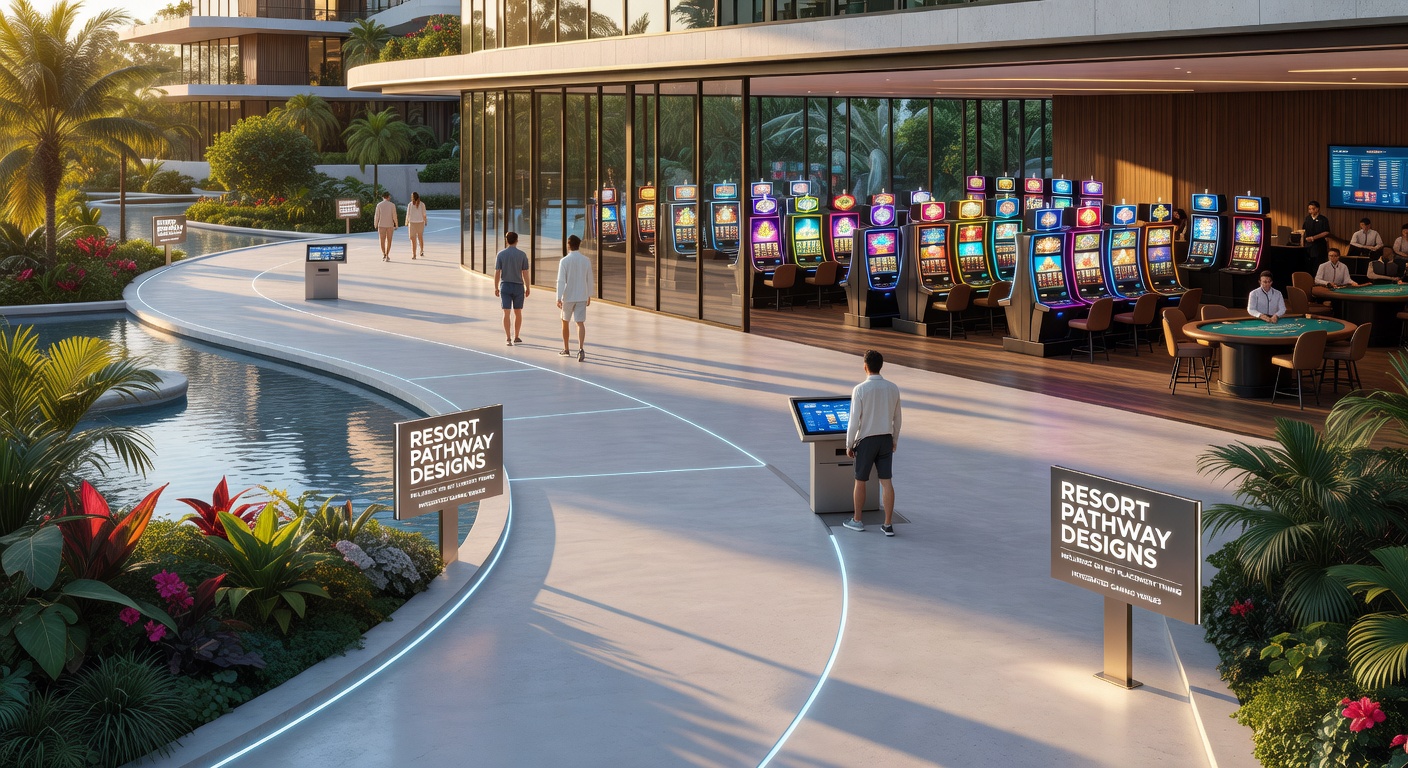
Integration of Digital and Physical Elements
Modern venues embed digital wayfinding screens along pathways that display live odds alongside physical route indicators. These displays update in real time and encourage guests to adjust their pace or direction based on emerging betting opportunities. Mobile app integrations allow visitors to pre-select routes that align with preferred betting windows, which operators then use to adjust staffing levels at various stations.
Canadian regulatory data compiled by the Alcohol and Gaming Commission of Ontario reveals similar patterns in recently opened integrated facilities. Guests who utilized app-guided pathways placed sports wagers an average of twelve minutes earlier than those relying solely on static signage, while table game participation remained steady regardless of route choice. This distinction highlights how digital overlays interact with physical design to alter timing without changing the underlying architectural framework.Operational Adjustments and Measurement
Venue managers monitor pathway effectiveness through heat mapping technologies and transaction timestamps collected at betting terminals. Adjustments occur during scheduled maintenance windows when temporary barriers redirect traffic to test new flow configurations. These experiments demonstrate that even minor rerouting can shift peak betting periods by up to forty-five minutes across different product types.
Industry associations such as the American Gaming Association have compiled comparative analyses showing that properties with layered pathway systems experience more balanced revenue distribution between table games and sports betting throughout operating hours. The data underscores the role of design choices in managing capacity and reducing congestion at peak times.Conclusion
Resort pathway designs function as operational tools that regulate the sequence and timing of betting activity within integrated venues. Through deliberate use of visual, material, and digital elements, these layouts influence when visitors engage with table games, sports markets, and other offerings. Ongoing measurement by regulatory bodies and academic researchers continues to document how physical infrastructure shapes guest behavior across multiple jurisdictions and venue formats.