Resort Circulation Routes Directing Sequential Investments from Spinning Reel Stations into Competitive Match Forecasts Amid Concurrent Incentive Periods
Theo Keller · Aug 26, 2026
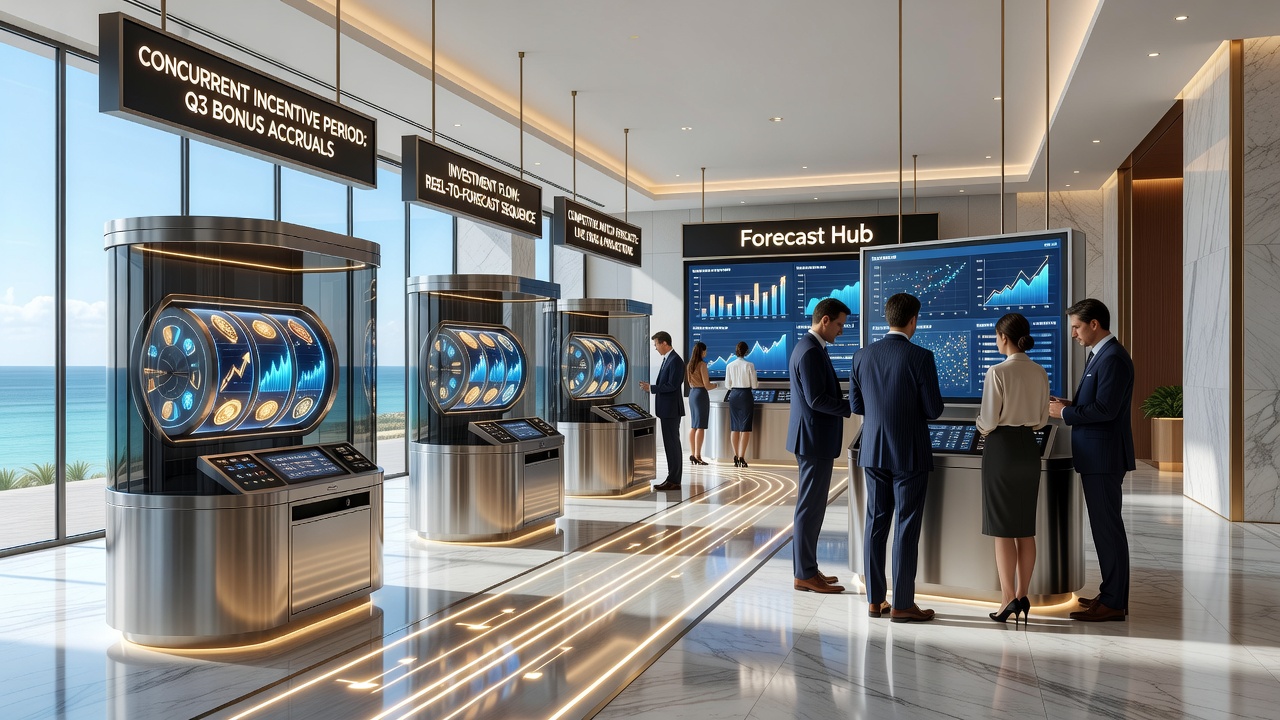
Resort Circulation Routes Directing Sequential Investments from Spinning Reel Stations into Competitive Match Forecasts Amid Concurrent Incentive Periods
Resort operators have refined circulation routes over the past decade to guide patrons from spinning reel stations toward sports wagering terminals when multiple incentive programs run simultaneously. These pathways incorporate wide corridors, strategic lighting shifts, and signage clusters that align with overlapping bonus windows, allowing sequential fund transfers without disrupting player momentum. Data from integrated properties indicate that such designs correlate with measurable increases in cross-category wagers during August 2026 promotional cycles. Design teams map high-traffic loops that begin at dense banks of mechanical reels and terminate near digital sportsbooks, inserting intermediate touchpoints such as quick-service bars and merchandise kiosks. Observers note that these intermediate stops reduce perceived travel time while maintaining exposure to digital odds boards. Studies conducted by regional gaming authorities show that properties adjusting corridor widths by 15 percent recorded higher sequential investment rates when reel-based promotions overlapped with live event markets.Layout Elements That Shape Fund Movement
Engineers incorporate curved sightlines and gradient floor patterns to direct attention from reel clusters toward betting kiosks. Curved paths slow walking speed just enough for promotional announcements to register, while gradient changes signal transitions between machine zones and event forecast areas. Research compiled by the Macau Gaming Inspection and Coordination Bureau demonstrates that these visual cues produce consistent redirection patterns during concurrent incentive periods.
Digital wayfinding screens update in real time to reflect active rollover timelines, displaying remaining reel bonus windows alongside upcoming match forecasts. When two or more promotions run together, the screens highlight transfer points where accumulated credits can move from spinning stations to sports lines without additional transaction steps. Properties that synchronized these displays during August 2026 reported elevated volumes of sequential bets compared with unsynchronized venues.
Overlapping Incentive Windows and Their Effects
Concurrent incentive periods create narrow timeframes where reel volatility bonuses align with sports event markets. Operators schedule these overlaps deliberately, placing high-value reel promotions immediately before marquee athletic contests so that players finish one session and continue into the next category. Figures released by the Nevada Gaming Control Board reveal that synchronized windows increased cross-category play by measurable margins in facilities that maintained clear circulation routes.
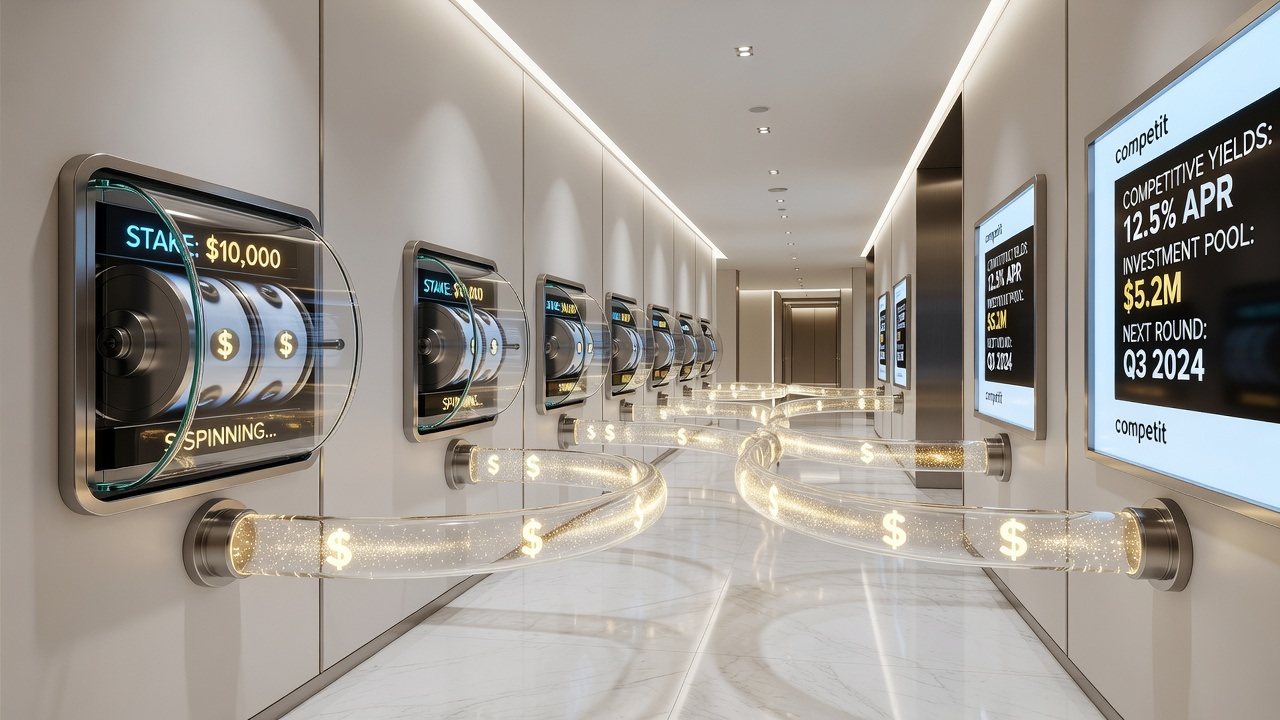
One documented case involved a multi-level resort that installed moving walkways between reel halls and sportsbook lounges during overlapping August promotions. Patrons who completed reel bonus rounds could reach event forecast terminals within three minutes, resulting in documented retention of funds within the property rather than dispersal to external channels. Similar configurations appear in newer builds where architects embed sports terminals at natural endpoints of reel circulation loops.
Player Behavior Patterns During August 2026
Tracking systems installed in several large venues captured movement data throughout August 2026, showing that players who followed primary circulation routes completed sequential investments at higher rates than those who took secondary exits. The patterns held across different property sizes, suggesting that route design exerts influence independent of total floor area. Industry reports from the Australasian Gaming Council note parallel findings in integrated resorts where incentive periods overlapped.
Staff training programs now include instructions on guiding patrons along these routes without direct intervention, using verbal cues that reference active promotions. This approach maintains compliance while reinforcing the physical layout's intent. Observers have recorded instances where players initiated reel sessions, received bonus notifications, and transitioned to sports markets within the same visit when signage and pathways aligned with the incentive schedule.
Conclusion
Resort circulation routes function as operational tools that connect spinning reel activity with competitive match forecasts when incentive periods coincide. Evidence from regulatory datasets and property-level tracking indicates that deliberate pathway design supports sequential investment flows. As August 2026 data continues to accumulate, operators continue refining these elements to align with evolving promotional calendars and regulatory reporting requirements.