Navigating Seasonal Promotion Cycles That Connect Slot Machine Volatility Patterns With Live Dealer Table Transitions
Viktor Baumann · May 22, 2026

Navigating Seasonal Promotion Cycles That Connect Slot Machine Volatility Patterns With Live Dealer Table Transitions
Seasonal promotion cycles in the gaming industry align slot machine volatility patterns with shifts toward live dealer table games, creating structured transitions that operators track through player data and revenue reports. Research from the American Gaming Association shows these cycles often peak during spring months, including May 2026, when promotional calendars overlap with increased foot traffic in resort destinations across North America and Asia.
Operators structure these promotions around measurable volatility metrics, where high-volatility slots draw players seeking larger payout swings during off-peak periods while live dealer tables capture transitions as engagement stabilizes. Data from Nevada regulatory filings indicates that such alignments help maintain consistent hold percentages across game categories throughout the year.
Seasonal Timing and Promotion Structures
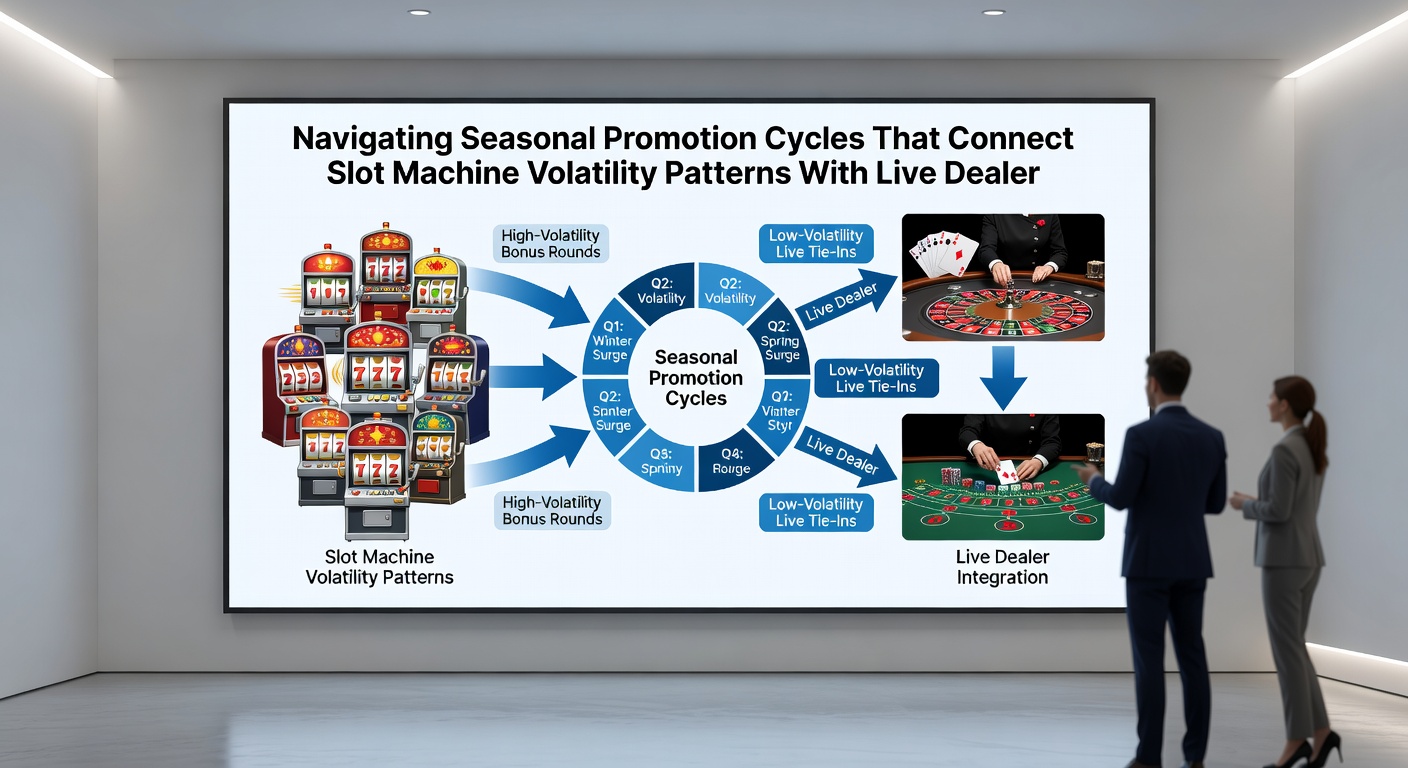
Promotion cycles follow calendar-driven patterns, with spring campaigns in 2026 focusing on bundled offers that link slot play to table game credits. These structures encourage players to move from machines with 4-6 percent volatility indexes to live dealer environments where table minimums adjust based on promotional tiers. Observers note that this approach mirrors broader industry efforts to balance revenue streams during shoulder seasons when tourism fluctuates.
Analysts examine historical data to identify how promotions in May periods correlate with increased live dealer sessions, as operators release targeted incentives tied to slot session lengths. Figures from industry reports reveal that these incentives often include deposit matches or free spin packages that convert into table game vouchers once volatility thresholds are met.
Slot Machine Volatility Patterns in Context
Slot volatility refers to the frequency and size of payouts, with patterns shifting based on game settings and player volume. High-volatility titles exhibit longer dry spells followed by substantial wins, whereas medium-volatility options provide steadier returns that operators promote during transition windows. Studies from academic research centers demonstrate that seasonal adjustments to these patterns help sustain interest when external factors like weather or travel affect casino attendance.
Operators monitor real-time metrics to adjust volatility settings in coordination with promotional launches, ensuring that slot floors remain active before players migrate toward live dealer areas. This coordination appears in aggregated data sets where session times on volatile machines drop as table game promotions activate.
Live Dealer Table Transitions and Integration Points
Live dealer tables serve as natural endpoints for slot-driven promotions because they offer social elements and variable bet structures that complement volatility experiences. Transitions occur when players redeem slot-based rewards for table credits, a process documented in operational logs from major properties. According to data compiled by gaming research institutions, these handoffs increase during May cycles as operators introduce hybrid loyalty tiers that reward both machine play and dealer interactions.
Dealers and floor supervisors manage these transitions by monitoring table occupancy rates that rise in tandem with slot promotion expirations. Patterns show that blackjack and roulette stations often see the sharpest uptake, with minimum bets calibrated to match teh average slot wager from earlier in the day.
Connecting the Elements Through Data and Operations
Integrated systems track how slot volatility influences the timing of live dealer entries, using algorithms that flag when players reach certain loss or win thresholds. This connection allows promotions to guide movement without disrupting overall floor flow. Reports from regulatory bodies in multiple jurisdictions confirm that such linkages support compliance while optimizing promotional spend.
One documented approach involves staggered release schedules where high-volatility slot bonuses activate first, followed by table game multipliers once participation metrics hit predefined levels. These sequences rely on cross-platform tracking that links individual player accounts across machine banks and dealer pits.
Industry Examples and Measurable Outcomes
Properties in competitive markets have reported shifts in revenue allocation during 2026 spring promotions, with slot hold percentages stabilizing as live dealer volumes grow. External analyses from university-affiliated gaming studies highlight how these outcomes vary by region, with coastal resorts showing stronger table transitions compared to inland locations.
Operators adjust staffing and game availability based on these patterns, ensuring live dealer capacity expands as slot promotions wind down. This operational alignment reduces wait times and maintains engagement across both categories.
Conclusion
Seasonal promotion cycles create measurable pathways between slot volatility patterns and live dealer table activity, supported by data from regulatory filings and industry research. In periods like May 2026, these connections help operators manage player movement and revenue consistency through coordinated incentives and tracking systems. Continued analysis of these dynamics provides insights into how gaming environments adapt to calendar-driven demand.