Mapping the Correlation Between International Currency Fluctuations and Wager Volume Shifts in Cross-Border Digital Sports and Table Game Platforms
Theo Simon · Aug 23, 2026
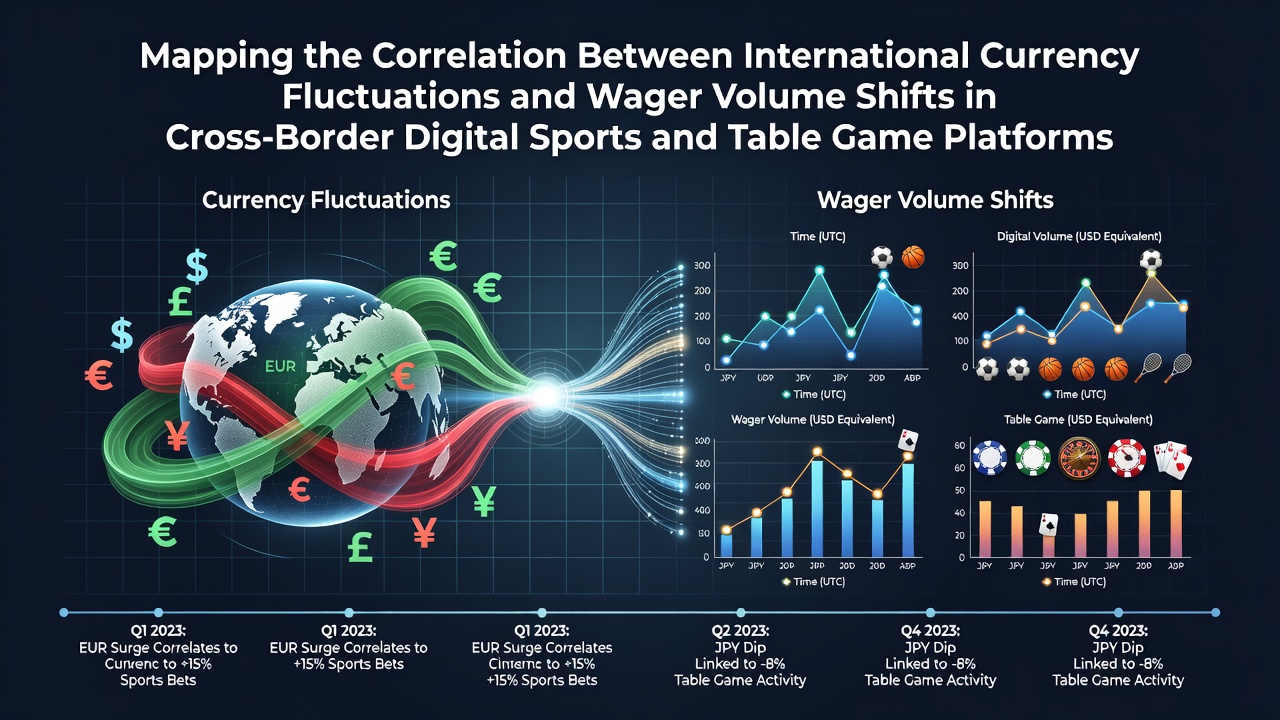
Mapping the Correlation Between International Currency Fluctuations and Wager Volume Shifts in Cross-Border Digital Sports and Table Game Platforms
International currency movements have long influenced activity on digital betting platforms that accept players from multiple countries, and recent data sets show measurable connections between exchange rate shifts and changes in wager volumes across both sports markets and table game offerings. Platforms operating across borders track these patterns through aggregated transaction records, payment processor reports, and user location data, which together reveal how fluctuations in major currencies such as the euro, yen, and Australian dollar correlate with adjustments in betting activity.
Currency Movements and Platform Participation
Exchange rate volatility affects player purchasing power directly, so when the Australian dollar weakened against the US dollar in early 2025, operators recorded a corresponding drop in average bet sizes from Australian accounts on European-hosted sportsbooks while table game sessions in blackjack and roulette saw steadier volume because those games often feature lower minimum stakes. Researchers tracking multi-currency ledgers note that platforms using real-time conversion tools experience fewer abrupt volume drops than those relying on fixed settlement periods, because players can respond immediately to rate changes by switching between currency wallets.
Data compiled through 2025 and into August 2026 indicates that a 5 percent depreciation in the euro relative to the US dollar coincided with a 3 to 7 percent reduction in cross-border sports wager totals from eurozone users on platforms licensed in Malta and Curacao, whereas table game volumes on the same sites held more stable when promotional reload bonuses offset the rate impact. Payment method choice also plays a role; users funding accounts via cryptocurrency wallets showed smaller volume shifts during currency swings because those instruments bypass traditional forex spreads.
Patterns in Digital Sports Markets
Sports betting volumes respond more quickly to currency movements than many table game formats because odds are updated continuously and markets close rapidly. When the yen strengthened against the US dollar in mid-2025, Japanese users increased stake sizes on major league baseball and European football events hosted on offshore platforms, and transaction logs show the average bet rose by roughly 8 percent within two weeks of the rate shift. Observers examining platform analytics note that live in-play betting sees the fastest adjustments, since bettors can place smaller or larger wagers in real time as currency dashboards update.
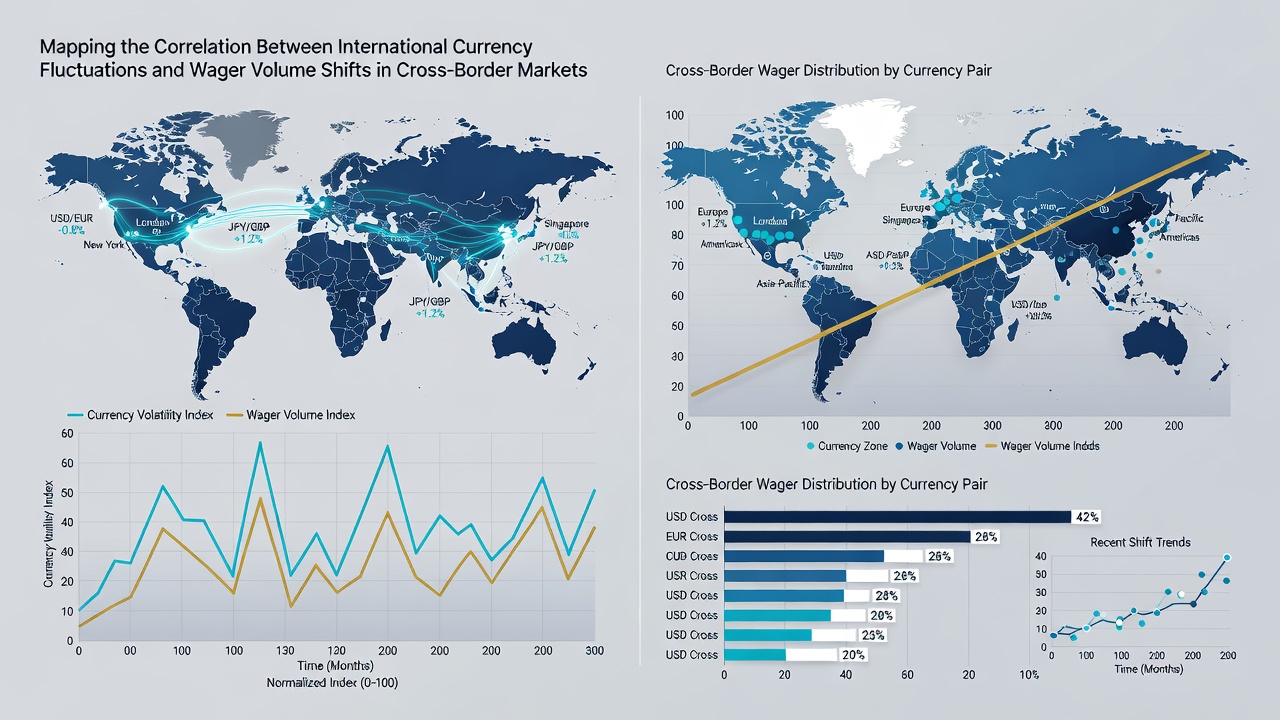
Platforms that offer multi-currency accounts allow users to lock in favorable rates before events begin, which reduces the correlation between spot rate movements and final wager totals. Studies of user behavior on large cross-border operators reveal that sports bettors who maintain balances in several currencies tend to shift activity toward the strongest currency on any given day, creating measurable volume spikes in one market segment and corresponding dips in another.
Table Game Volume Responses
Table game participation on digital platforms shows a slower but still detectable response to currency fluctuations because many games operate with fixed betting ranges and session lengths. When the Canadian dollar declined relative to the euro in late 2025, Canadian players on international sites reduced average roulette and baccarat wagers by approximately 4 percent while increasing session frequency, a pattern documented in operator compliance reports submitted to regulators in multiple jurisdictions. Blackjack volumes remained steadier because side bet options allow players to manage exposure without changing base wager amounts.
Live dealer tables introduce an additional variable, since streaming latency and dealer schedules interact with currency conversion timing. Aggregated data from 2026 shows that platforms synchronizing bonus offers with known currency reporting dates experience less pronounced volume drops during depreciation periods, because players time deposits to coincide with favorable exchange windows.
Regional Examples and Data Sources
Operators serving Latin American markets recorded clear volume transfers when the Brazilian real fluctuated against the US dollar during the first half of 2026, with sports markets absorbing more activity than table games when the real strengthened. Similar patterns appear in Southeast Asian corridors, where operators report that Thai baht movements influence mobile sports betting volumes more than desktop table game sessions. According to analysis released by the International Monetary Fund working papers on digital payments, cross-border gambling transactions display higher sensitivity to exchange rate volatility than many other consumer service categories because settlement occurs almost instantly.
Another data set compiled by researchers at the European Central Bank examined transaction flows through licensed operators and found that table game volumes in euro-denominated games held steadier during yen and Australian dollar swings than sports markets did, largely because many table game interfaces default to the player's base currency rather than requiring repeated conversions.
Conclusion
Mapping these correlations requires continuous access to anonymized transaction data, currency tick records, and platform usage logs, and operators continue to refine their models as more jurisdictions release standardized reporting requirements. The evidence accumulated through mid-2026 demonstrates that currency fluctuations produce measurable, though not uniform, shifts in wager volumes across both sports and table game verticals on cross-border digital platforms, with response speed and magnitude varying by game type, payment method, and regional user base.