Interior Spatial Layouts Directing Sequential Fund Shifts Between Mechanical Reel Sessions and Athletic Event Markets During Concurrent Promotional Windows
Theo Keller · Jun 10, 2026
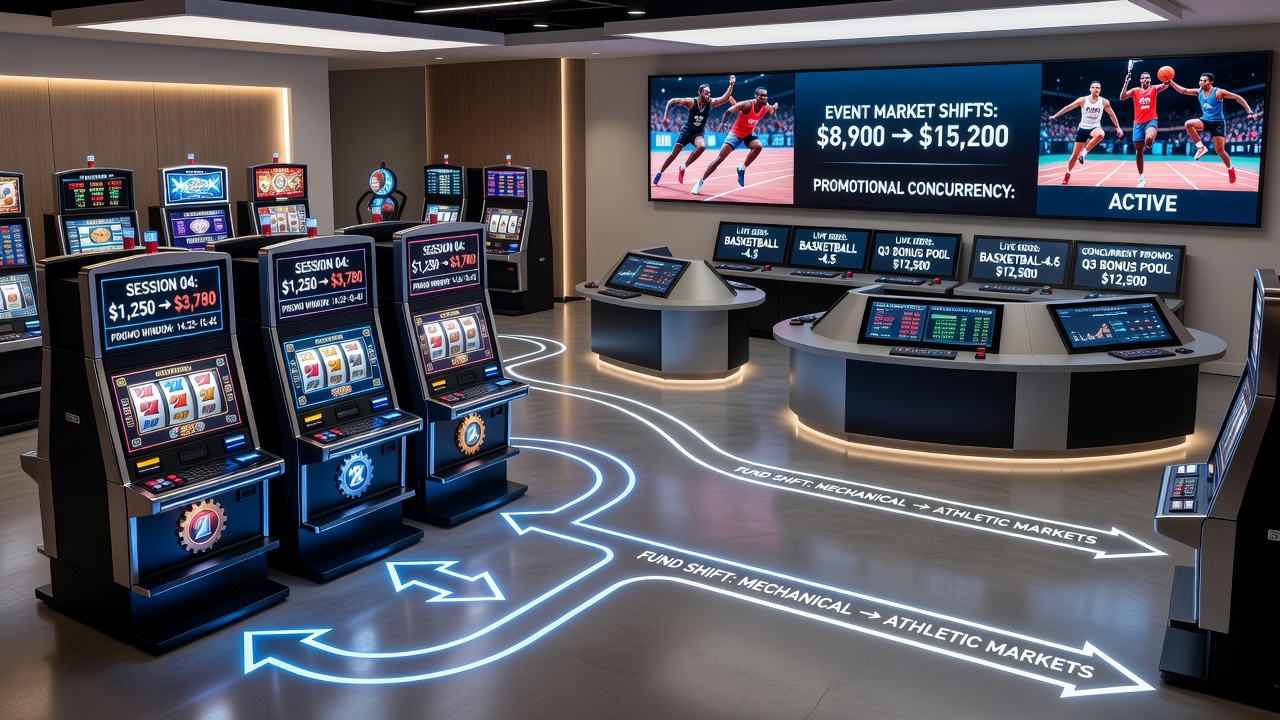
Interior Spatial Layouts Directing Sequential Fund Shifts Between Mechanical Reel Sessions and Athletic Event Markets During Concurrent Promotional Windows
Integrated resorts arrange mechanical reel zones near athletic event markets so that patrons encounter both during single visits, and this arrangement becomes especially relevant when promotional windows overlap in June 2026, with data from multiple venues indicating measurable transfers of funds between the two formats, while researchers tracking movement patterns note that central pathways and signage placement accelerate those transfers once initial reel sessions conclude.
Designers position reel banks along primary corridors that lead directly to sportsbook counters, and this configuration reduces the physical distance patrons must cover when shifting remaining balances after a reel session ends, whereas studies of patron flow in large-scale facilities reveal that shorter transition routes correlate with higher rates of sequential wagering within the same hour.
Pathway Configurations and Timing of Fund Transfers
Wide aisles flanked by reel machines funnel traffic toward digital display walls that list upcoming athletic events, and operators adjust lighting levels along these routes to maintain visibility during evening promotional periods, while data collected in 2025 and early 2026 shows that venues with direct sightlines experience fund shifts occurring on average twelve minutes sooner than those requiring additional navigation steps.
Seating clusters near reel areas often sit adjacent to quick-bet kiosks for athletic markets, allowing players to complete transactions without leaving the immediate vicinity, and analysts examining transaction logs from facilities in multiple jurisdictions confirm that such proximity increases the likelihood of sequential activity when concurrent bonuses apply to both reel spins and event wagers.
Promotional Overlaps and Observed Movement Patterns
Concurrent windows that pair reel multipliers with athletic event odds adjustments draw patrons through shared lobbies, and traffic sensors installed at several properties record elevated foot traffic between zones precisely when both offers activate simultaneously, whereas separate tracking of digital wallets shows funds moving from reel credits to sportsbook accounts within the same session at rates that rise during these coordinated periods.
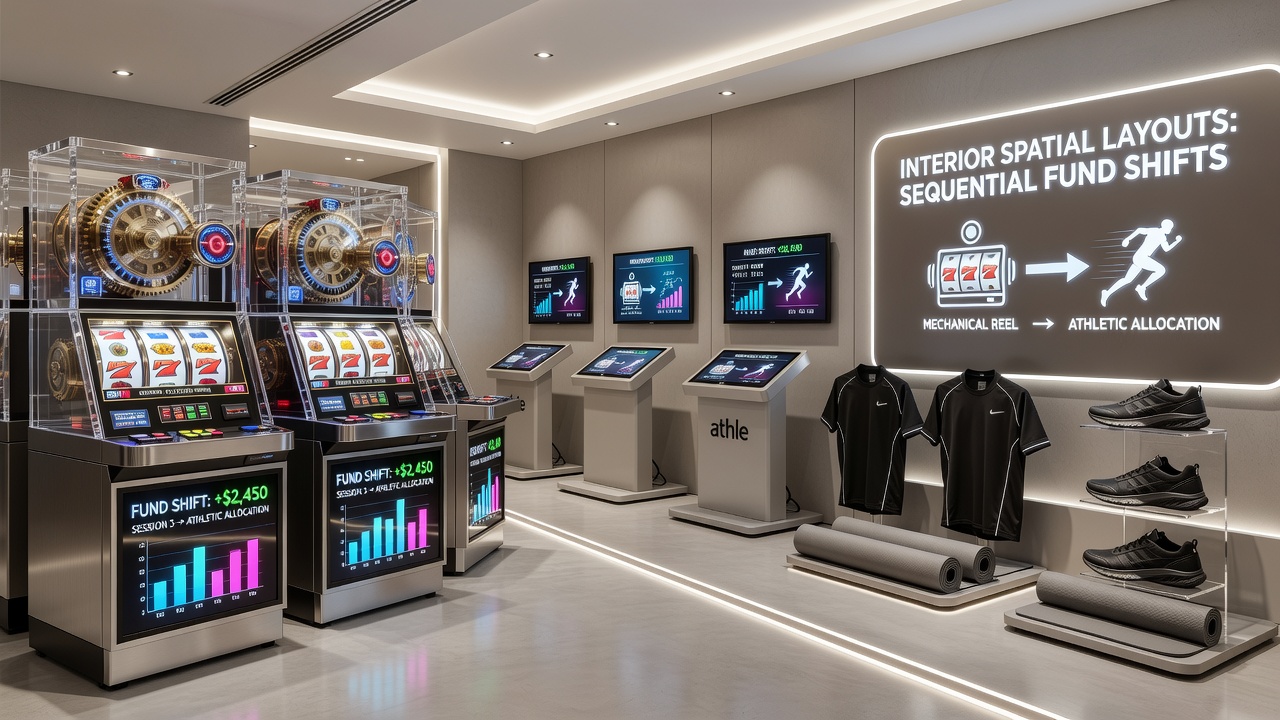
June 2026 schedules include multiple overlapping campaigns across North American and Asian properties, and preliminary revenue summaries released by regulatory bodies such as the Nevada Gaming Control Board indicate that venues reporting integrated layouts captured a larger share of cross-format activity than those maintaining more segmented floor plans, although total volumes still depend on external factors including event schedules and player demographics.
Research Findings on Layout Influence
University-led observational studies conducted in Australian facilities have documented how curved pathways slow or accelerate movement depending on reel density and event screen placement, and reports from the Victorian Commission for Gambling and Liquor Regulation note that layouts encouraging linear progression produce steadier sequences of reel-to-event transfers during multi-hour promotional blocks, while fragmented designs yield more dispersed activity across longer time intervals.
Digital mapping of player cards further demonstrates that individuals who begin at mechanical reel banks positioned near entry points tend to reach athletic event terminals earlier when signage directs them along continuous routes, and aggregate data from 2026 shows these patterns holding across different property sizes provided the core spatial relationships remain consistent.
Operational Adjustments During Peak Windows
Staff reposition temporary barriers and queue markers when promotional overlap intensifies, and these adjustments channel foot traffic toward specific transition points rather than allowing random dispersion, whereas transaction volume reports compiled by industry associations such as the American Gaming Association reveal corresponding spikes in sequential fund movements once those controls take effect.
Surveillance footage reviewed in post-event analyses confirms that patrons carrying active reel credits frequently pause at intermediate kiosks when those stations sit along the most direct route to athletic betting counters, and this behavior produces measurable increases in combined session totals without requiring additional external prompts.
Conclusion
Interior spatial arrangements continue to shape how funds progress between mechanical reel activity and athletic event markets whenever promotional windows coincide, and ongoing collection of movement and transaction data provides operators with concrete metrics for refining those arrangements in subsequent periods, while regulatory summaries from varied jurisdictions supply the baseline figures against which individual properties measure their own results.