Examining How Digital Interface Layouts Steer Wager Selections in Virtual Poker Rooms During Live Event Overlaps
Theo Simon · May 31, 2026

Examining How Digital Interface Layouts Steer Wager Selections in Virtual Poker Rooms During Live Event Overlaps
Virtual poker platforms organize their screens through specific arrangements of buttons, color cues, and pop-up elements that guide how players choose wagers when live events such as sports matches or tournament streams run at the same time, and these design choices shape selections by placing certain options in prominent positions while others require extra clicks to access. Researchers at institutions like the University of Nevada, Reno have tracked these patterns through user interaction logs collected across multiple platforms during 2025 and into early 2026, noting that default bet sizing buttons often align with quick selections that match real-time event momentum.
Core Layout Components and Their Influence
Screen real estate allocation plays a central role because central panels typically display active hands or pot sizes while side columns hold bet history and quick-action controls, which means players encounter wager options in a fixed visual order that favors certain amounts over others during simultaneous streams. Data from platform analytics firms shows that when live event overlays appear, interfaces frequently expand notification banners across the top third of the display, and this expansion pushes secondary controls downward where users must scroll or switch tabs to reach them. Observers note that color gradients on raise and fold buttons intensify during high-stakes moments in overlapping broadcasts, drawing attention through contrast changes rather than text alone.
Button grouping follows consistent patterns across major sites where call and raise functions sit adjacent in the lower right quadrant, whereas all-in options appear in a separate highlighted cluster that activates only after a confirmation step, and this separation reduces accidental selections yet still steers users toward the more visible standard actions. Studies conducted by the Alcohol and Gaming Commission of Ontario examined session data from Canadian-facing poker rooms and found that interfaces with persistent side panels for live score updates recorded higher frequencies of minimum raise clicks when events neared their conclusions.
Event Overlap Dynamics in Practice
When poker rooms integrate live feeds from external sports or e-sports competitions, the software layers additional timers and odds tickers directly onto the poker table view, which compresses available space for hand history and forces wager decisions into shorter time windows. Players encounter these combined displays most often during evening hours when multiple markets peak, and the resulting screen density leads to quicker selections from the first row of suggested bet amounts. Industry reports indicate that platforms updated their mobile versions in late 2025 to include collapsible event panels, yet desktop versions retained fixed layouts that kept overlapping content visible at all times.
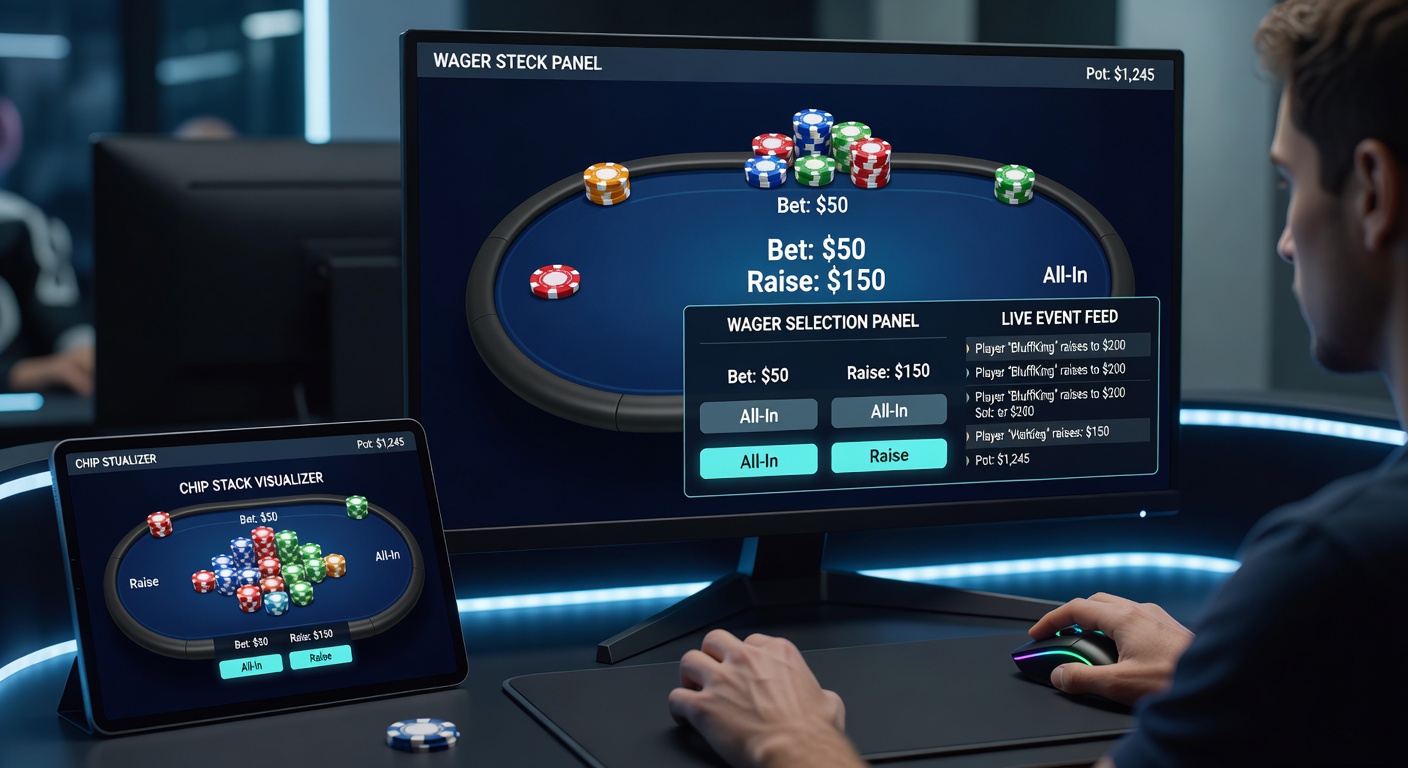
Pop-up prompts for event-related side bets appear at intervals tied to scoring changes or round endings, and these interruptions redirect focus from the main poker action to alternative wager types without requiring navigation away from the current table. One documented case involved a major operator that introduced contextual bet suggestions during May 2026 NBA playoff overlaps, resulting in measurable shifts toward pre-selected wager sizes that matched the displayed event probabilities. Those who reviewed aggregated user paths observed that players returned to the primary poker interface more rapidly when the pop-ups included direct return buttons positioned at the edge of the overlay window.
Regional Platform Variations and Data Patterns
European operators tend to emphasize tabbed navigation for separating poker controls from live event sections, whereas North American rooms more commonly use split-screen formats that keep both visible, and these regional differences produce distinct selection distributions according to cross-border usage statistics. Academic papers published through gaming research centers have compared clickstream records and identified that tabbed systems correlate with fewer impulsive wager adjustments during overlaps, while split views increase the rate of default amount selections. Regulatory filings from the Alcohol and Gaming Commission of Ontario and similar bodies track these metrics to monitor responsible play features embedded in the layouts themselves.
Font size scaling and spacing adjustments also factor into the process because larger text for active pot amounts draws eyes away from smaller peripheral controls, and platforms adjust these elements dynamically based on detected user device types. When live events run concurrently, interfaces often lock certain bet options until specific conditions such as community card reveals occur, which channels decisions into sequential rather than simultaneous choices. Figures from operator transparency reports reveal consistent upticks in call-button usage during these locked periods across both desktop and mobile sessions.
Conclusion
Digital interface arrangements in virtual poker environments continue to evolve alongside live event integration techniques, with layout decisions directly affecting how wager options present themselves during simultaneous activities. Platform operators adjust these elements in response to usage data collected throughout overlapping market periods, and regulatory agencies review the resulting patterns as part of ongoing compliance evaluations. The documented interactions between screen organization and player selections provide measurable insights into how design choices operate within multi-event contexts.