Correlating Reward Program Levels with Shifts in Preference from Table Games to Parlay Options Amidst Concurrent Offers
Theo Keller · Jul 29, 2026
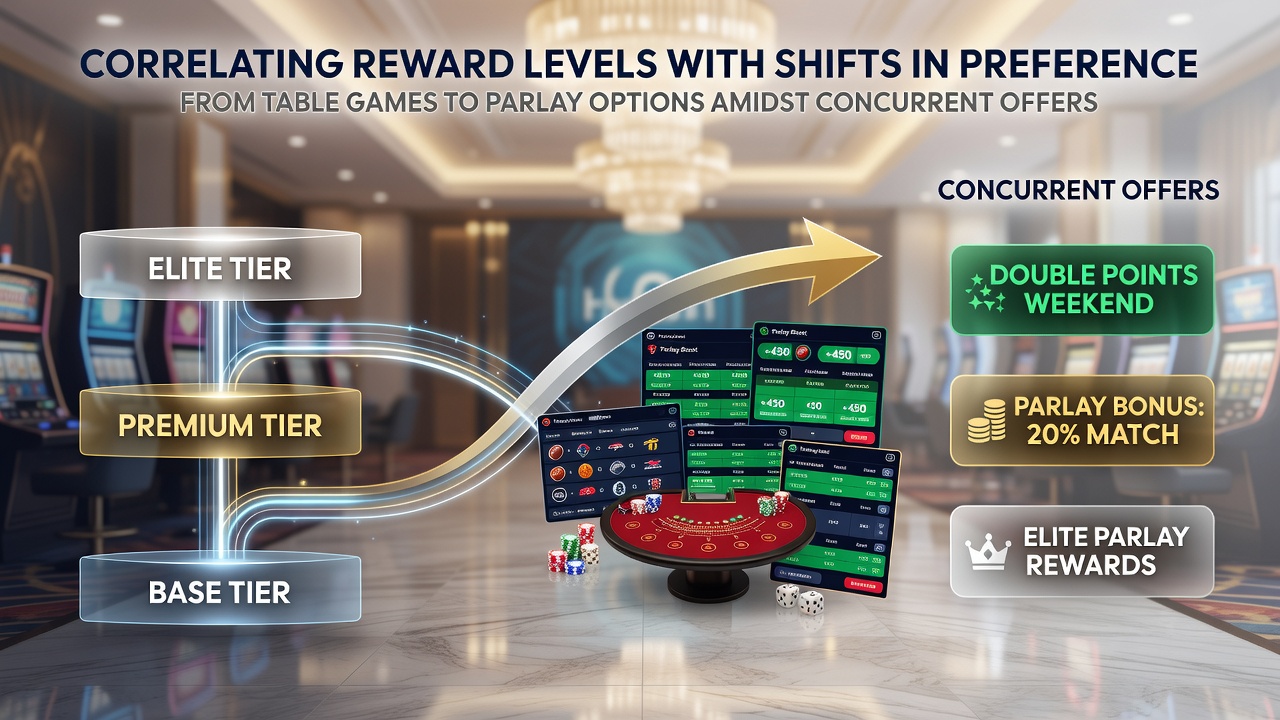
Correlating Reward Program Levels with Shifts in Preference from Table Games to Parlay Options Amidst Concurrent Offers
Reward programs in integrated resorts track player activity across table games and sportsbooks, and data from multiple jurisdictions shows measurable shifts in wager types as members advance through tier levels. Observers note that higher-tier participants often redirect funds toward parlay options when promotional windows overlap, particularly when bonus structures apply simultaneously to both verticals.
July 2026 figures from several U.S. markets indicated increased parlay volume among mid-to-upper tier members during periods when table game match-play credits coincided with sportsbook parlay boosts. Those patterns emerged most clearly in venues where loyalty systems recorded both live dealer sessions and digital sports wagers under a single account profile.
How Tier Structures Influence Choice Patterns
Most major operators assign points based on theoretical win or handle, then unlock escalating benefits at each tier threshold. Lower tiers typically receive generic free-play or cashback that applies equally across products, whereas elite tiers gain access to targeted multipliers and event-specific credits. Researchers tracking account-level data have found that members reaching these upper thresholds display a higher rate of allocation toward parlay bets once concurrent offers activate.
The mechanics matter because many programs calculate progress using a combined handle metric. A player placing a large table game wager and a multi-leg parlay on the same day can accelerate tier movement, yet the promotional overlay often tilts the marginal decision toward the parlay. Data indicates this effect strengthens once members surpass the midpoint of the tier ladder.
Concurrent Offers and Their Role in Preference Movement
Operators frequently schedule overlapping promotions to maximize cross-product engagement. A weekend table game multiplier paired with a parlay insurance offer creates simultaneous incentives. Account analytics reveal that players already holding mid-tier status respond to these overlaps by increasing parlay frequency while maintaining or slightly reducing table game volume. The shift appears more pronounced among members whose historical play shows heavier table game emphasis prior to the promotion period.
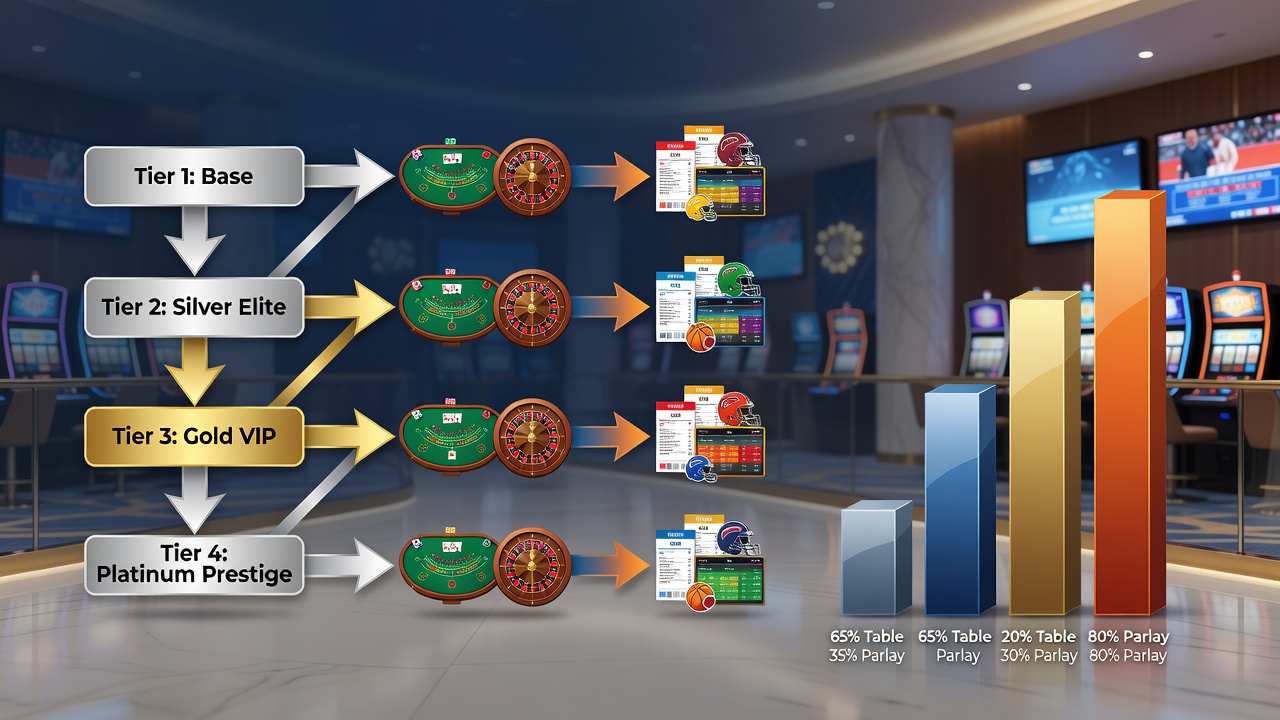
One analysis of transaction logs from a multi-property operator documented a 12 percent rise in parlay handle among gold-tier members during a two-week window in July 2026 when both a blackjack progressive and an NFL futures parlay boost ran concurrently. Lower-tier members showed smaller movement, suggesting that accumulated benefits at higher levels amplify sensitivity to overlapping incentives.
Regional Data and Regulatory Context
Regulatory filings from the Nevada Gaming Control Board provide aggregate handle breakdowns that allow comparison of table game and sports wagering trends within the same properties. Separate reporting from the Canadian Gaming Association tracks similar metrics across provincial sites, offering additional perspective on how loyalty structures interact with concurrent promotions. Both sources record elevated parlay activity among higher-tier accounts during overlapping offer periods, though the magnitude varies by market maturity and game mix.
University-affiliated studies have examined these patterns through anonymized player panels. Findings indicate that tier advancement correlates with increased responsiveness to multi-product incentives, particularly when the offers share rollover or expiration timelines. The correlation holds after controlling for overall visit frequency and average bet size.
Practical Implications for Operators and Players
Property-level teams adjust marketing calendars to account for these observed shifts. Some schedule parlay-heavy promotions immediately after table game focused events to capture the redirected volume, while others stagger offers to maintain balance across verticals. Account-level segmentation allows operators to test whether tier-specific messaging further modulates the movement between products.
Players who monitor their own tier progress can anticipate when concurrent offers will appear most attractive. Those approaching the next threshold often time larger table game sessions to unlock benefits that then support subsequent parlay activity. Transaction records show this sequencing occurs most reliably among members who already split play across both categories before reaching upper tiers.
Conclusion
Available data links reward program advancement with measurable changes in wager allocation when table game and parlay promotions run simultaneously. The pattern appears across multiple regulatory jurisdictions and gains strength at higher tier levels. Continued monitoring of account-level metrics will clarify whether these correlations persist as operators refine their concurrent offer strategies.