Connections Between Membership Progression Tiers and Wager-Type Preferences Across Automated Reel Terminals and Athletic Event Platforms in Multi-Entertainment Complexes
Mara Albrecht · Jun 24, 2026
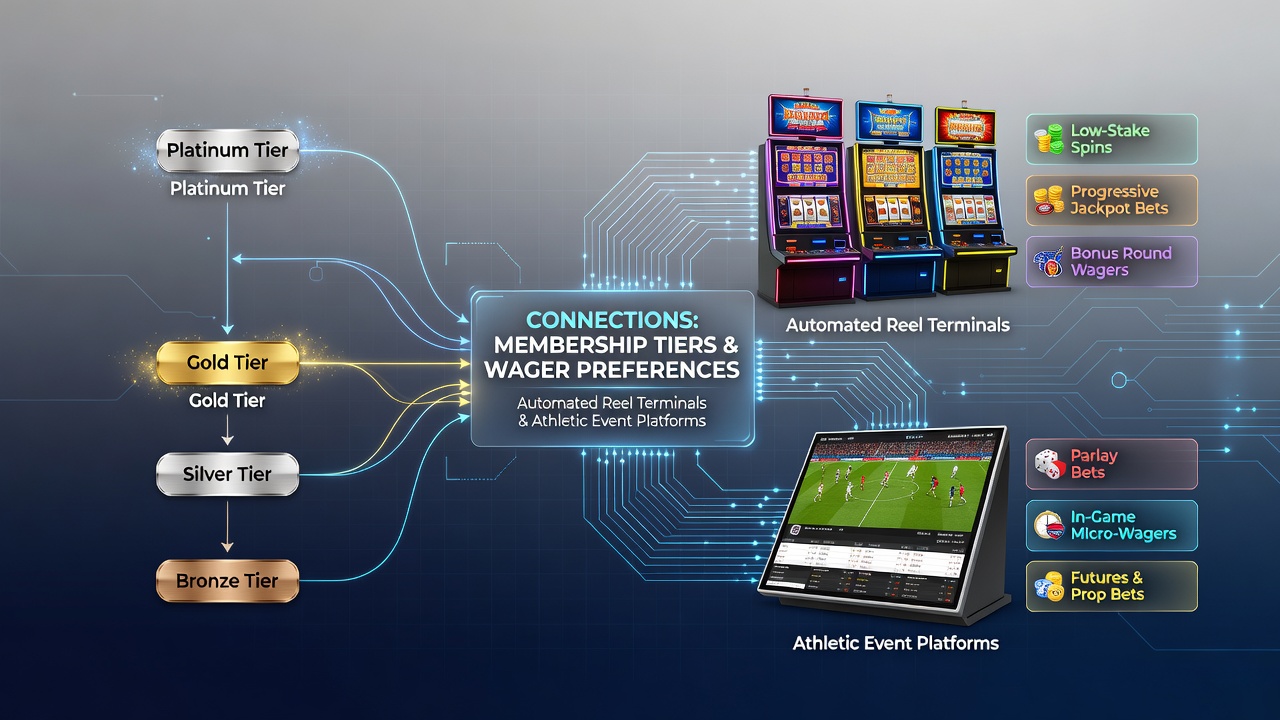
Connections Between Membership Progression Tiers and Wager-Type Preferences Across Automated Reel Terminals and Athletic Event Platforms in Multi-Entertainment Complexes
Multi-entertainment complexes combine automated reel terminals with athletic event platforms under one roof, and membership progression tiers shape how participants allocate their wagers across those formats. Data collected from integrated resorts in North America and Asia reveal measurable shifts in activity as individuals advance through bronze, silver, gold, and platinum levels. Lower tiers show heavier concentration on reel-based play, while elevated tiers demonstrate increased allocation toward event-based markets, although the transition remains gradual rather than abrupt.
Membership Structures and Their Operational Framework
Operators track participation through tiered systems that award points based on time on device and total handle. Bronze participants typically receive basic comps such as free play credits, whereas silver and gold members unlock room discounts, dining credits, and priority access to promotional events. Platinum status adds concierge services and higher redemption rates. These structures operate continuously, with points resetting on an annual cycle that aligns with fiscal reporting periods. In June 2026 several major properties adjusted their point multipliers on athletic event platforms to encourage cross-format engagement during overlapping tournament windows.
Patterns in Wager Allocation by Tier
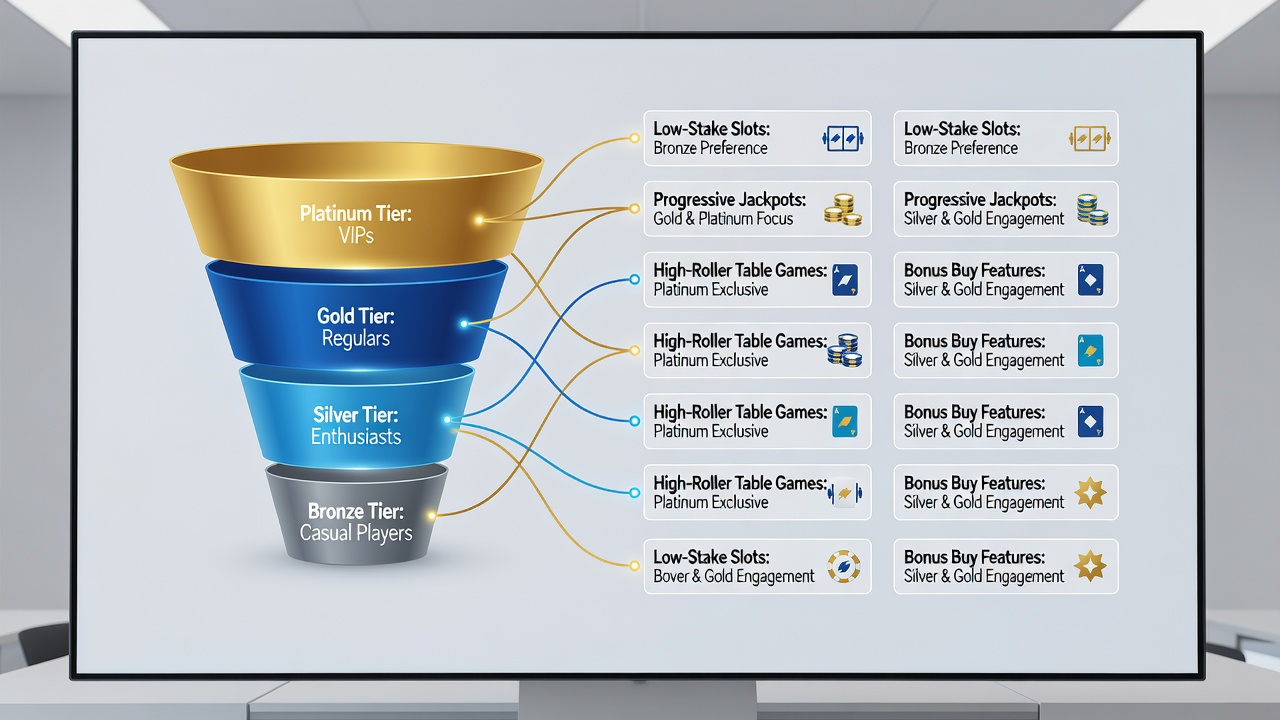
Automated reel terminals generate high spin volume with smaller individual stakes, while athletic event platforms require larger per-wager amounts tied to specific outcomes. Records from properties operating both formats indicate that bronze-tier participants direct roughly seventy percent of their total handle toward reel terminals. Silver members reduce that share to approximately fifty-five percent, and gold members further adjust downward to forty percent, directing the balance toward event markets. Platinum participants maintain the most balanced split, often hovering near thirty-five percent on reels and sixty-five percent on athletic platforms during peak months.
Geographic and Seasonal Variations
Properties in Nevada and Pennsylvania report similar tier-progression trends, although the rate of shift differs by region. Nevada data shows faster movement toward athletic platforms once gold status is reached, while Pennsylvania locations note steadier reel-terminal activity even at higher tiers. Seasonal factors influence these patterns; major league playoffs and international tournaments coincide with measurable increases in event-platform handle among mid-tier members. Research from the University of Nevada, Las Vegas gaming studies unit documents these seasonal spikes through anonymized transaction logs spanning multiple years.
Interface Design and Navigation Influence
Digital kiosks and mobile applications within these complexes present both formats through unified accounts. Navigation pathways that place reel-terminal banks near sports viewing areas correlate with higher cross-format activity among silver and gold members. Wayfinding signage and digital prompts that highlight tier benefits on each platform further guide behavior. Observers note that properties which integrate loyalty screens directly into both reel and event interfaces record quicker tier advancement and more diversified wager distribution. Pennsylvania Gaming Control Board filings from early 2026 describe comparable interface adjustments at several newly expanded facilities.
Promotional Mechanics and Tier Incentives
Targeted offers tied to tier status affect format preferences. Reel-terminal focused promotions such as multiplier days or free spin bundles appear more frequently for bronze and silver members, while gold and platinum participants receive enhanced odds boosts or parlay insurance on athletic events. These differentiated incentives align with observed handle shifts and help sustain engagement across both platforms. Properties that synchronize promotional calendars with major sporting calendars record elevated overall participation rates during those windows. Trade reports from the American Gaming Association highlight how such synchronized campaigns maintain consistent point accumulation regardless of format choice.
Tracking and Analytical Methods
Operators employ centralized player-tracking systems that log every wager by format, stake size, and time stamp. Algorithms identify when individuals begin reallocating activity, often flagging the transition point around the silver-to-gold threshold. These systems also monitor session length and frequency, revealing that higher-tier members tend to maintain longer combined sessions that alternate between formats. External audits verify that the underlying data remain consistent across properties, supporting the reliability of reported patterns. Academic analyses published through the International Gaming Institute continue to examine how these tracking outputs inform future tier-structure refinements.
Conclusion
Membership progression tiers correlate with distinct wager-type distributions across automated reel terminals and athletic event platforms in multi-entertainment complexes. Lower tiers concentrate activity on reel terminals, while advancement brings measurable increases in athletic-event participation. Interface design, promotional targeting, and seasonal calendars all interact with these tier-based patterns. Continued collection of transaction data through 2026 and beyond will clarify whether these relationships remain stable or evolve with new platform features and regulatory changes.