Aligning Incentive Fulfillment Stages with Volatility Adjustments Across Spinning Mechanisms, Hosted Table Encounters, and Market Line Movements in Simultaneous Betting Scenarios
Theo Simon · Jun 21, 2026
Aligning Incentive Fulfillment Stages with Volatility Adjustments Across Spinning Mechanisms, Hosted Table Encounters, and Market Line Movements in Simultaneous Betting Scenarios
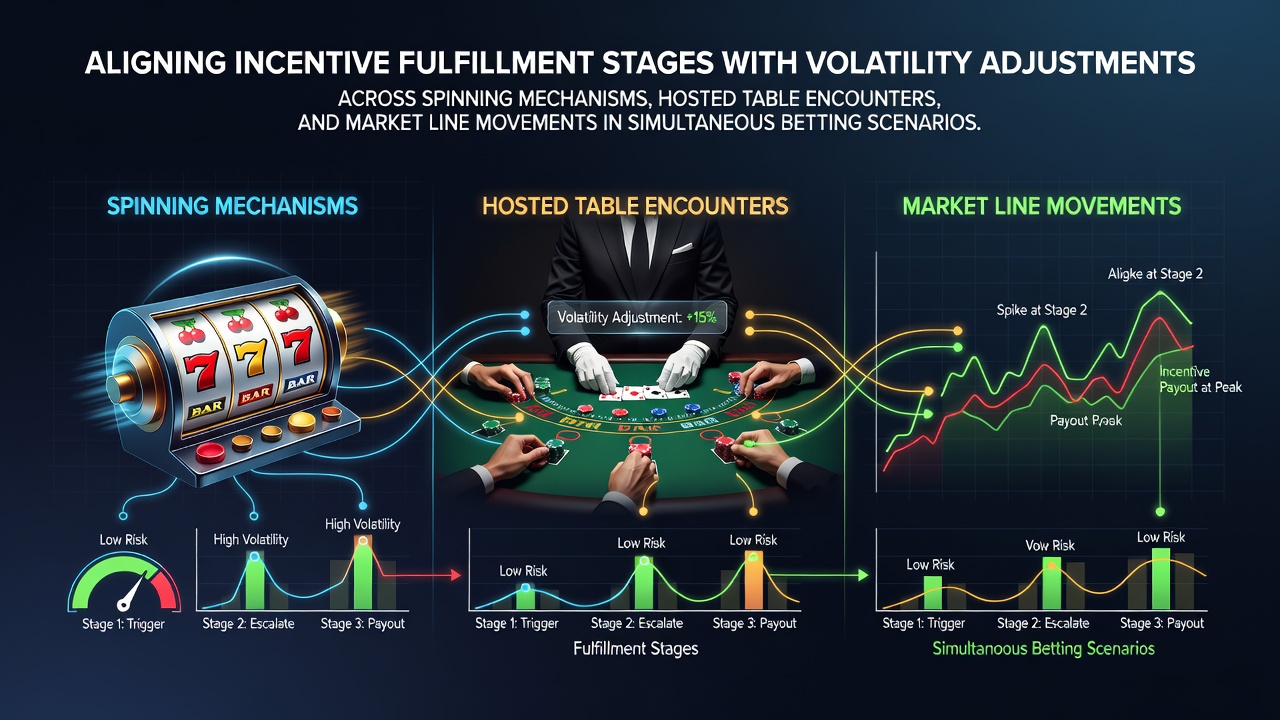
Operators in regulated markets continue to refine systems that coordinate incentive fulfillment stages with volatility adjustments when players engage spinning mechanisms, hosted table encounters, and market line movements at the same time. These alignments require precise tracking of player behavior across formats because volatility levels differ sharply between mechanical reels, card-based tables, and shifting odds in live event markets.
Data from state regulatory filings indicate that simultaneous betting volumes increased steadily through early 2026, prompting gaming companies to synchronize bonus releases with real-time risk parameters. Research conducted by university gaming laboratories shows that incentive structures tied to volatility metrics help maintain session duration while meeting compliance thresholds set by oversight bodies.
Spinning Mechanisms and Volatility Calibration
Spinning mechanisms operate with defined volatility profiles that determine payout frequency and magnitude, which in turn influences how operators stage incentive releases. When players combine reel sessions with other activities, systems adjust bonus triggers to reflect the higher variance typical of certain slot titles. Figures released by the Nevada Gaming Control Board reveal that integrated platforms now apply dynamic multipliers based on concurrent play data collected during overlapping sessions.
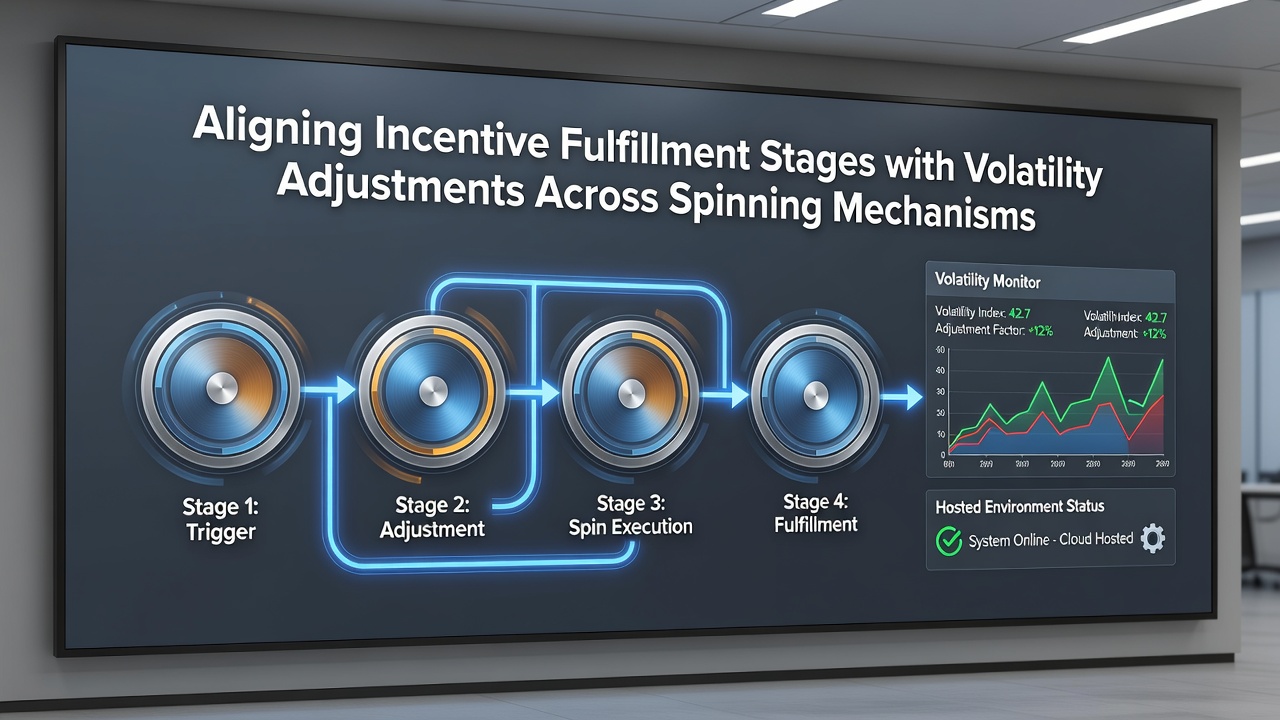
Those who manage loyalty programs note that fulfillment stages must account for the rapid credit fluctuations common in reel play, especially when funds transfer quickly to table or sportsbook interfaces. Software updates rolled out in spring 2026 incorporated algorithms that monitor reel volatility indices and scale reward tiers accordingly, reducing instances where incentives triggered during high-variance streaks without corresponding play volume.
Hosted Table Encounters and Line Movement Integration
Hosted table encounters introduce different volatility patterns because outcomes depend on player decisions and dealer results rather than fixed reel algorithms. When participants place wagers on table games while monitoring market line movements in sports events, operators adjust incentive fulfillment to balance the lower frequency but potentially larger swings at the tables. Observers at industry conferences in May 2026 reported that several major properties implemented cross-format tracking that links table-side comps directly to live betting line shifts.
Market line movements add another layer because odds adjust continuously based on betting action and external factors. Systems that align incentives across these environments use timestamped data to verify that rewards correspond to actual volatility exposure rather than isolated activity in one channel. Reports from the New Jersey Division of Gaming Enforcement document similar synchronization efforts among Atlantic City operators handling multi-channel accounts.
Simultaneous Betting Scenarios and Regulatory Context
Simultaneous betting scenarios create unique challenges for incentive alignment because players shift between formats within single sessions. June 2026 projections from regional gaming associations suggest continued growth in these patterns, particularly in jurisdictions that permit seamless fund movement between slots, tables, and sportsbooks. Regulatory frameworks require operators to demonstrate that volatility adjustments do not create unintended advantages or compliance gaps during these transitions.
Industry reports compiled by the Australian Institute of Criminology highlight how data integration across platforms supports accurate fulfillment while respecting jurisdictional limits on promotional structures. Operators have responded by deploying centralized dashboards that display real-time volatility scores for each game type, allowing incentive engines to recalibrate reward stages as players move between spinning mechanisms and live markets.
Conclusion
Alignment of incentive fulfillment stages with volatility adjustments continues to evolve as operators refine tools for spinning mechanisms, hosted table encounters, and market line movements in simultaneous betting environments. Regulatory data through mid-2026 shows measurable progress in synchronization methods that tie rewards to actual risk exposure across formats. These developments reflect ongoing adaptation to player behavior patterns observed in integrated venues where multiple game types operate concurrently.