Aligning Global Match Schedules with Reel Timing and Card Table Choices in Multi-Zone Entertainment Complexes
Theo Keller · Jul 12, 2026
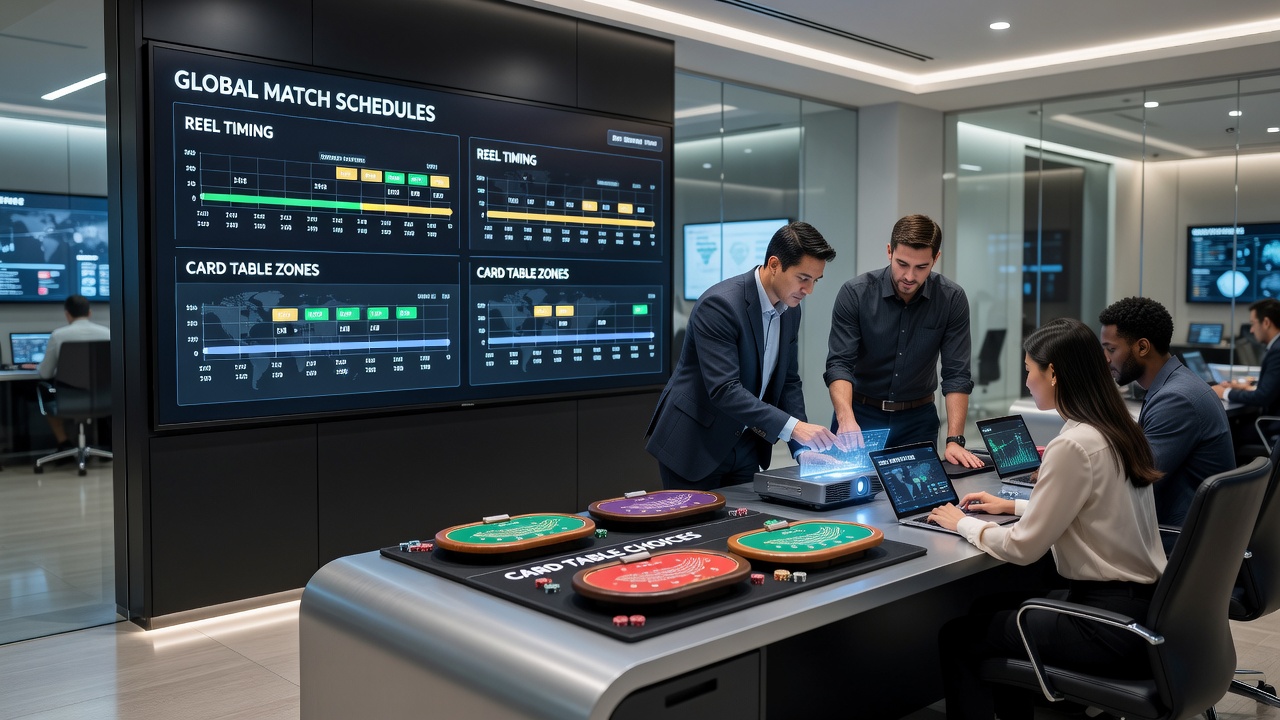
Aligning Global Match Schedules with Reel Timing and Card Table Choices in Multi-Zone Entertainment Complexes
Multi-zone entertainment complexes combine slot machines, card tables, and sports viewing areas under one roof, and operators coordinate these elements around international match calendars to manage player flow across different zones. Data from regional gaming authorities shows that facilities in Asia and North America adjust machine availability and table staffing based on overlapping tournament windows, such as those occurring in July 2026 when multiple soccer leagues and tennis circuits run concurrently. Operators track broadcast schedules from events in Europe, South America, and Asia to set reel session durations that align with match start times. This coordination allows players to move between mechanical reel areas and live card rooms without disrupting the overall venue capacity. Figures from the Nevada Gaming Control Board indicate that complexes with synchronized timing protocols recorded steadier daily handle volumes during peak international periods compared to venues without such planning.Global Match Schedules and Their Influence on Zone Utilization
International calendars create predictable patterns that venues map onto their internal operations. When a major European league final overlaps with an Asian basketball series, complexes often extend reel operation hours in one section while opening additional card tables in another. Research from the University of Nevada Reno Gaming Research Center demonstrates that these adjustments reduce congestion in high-traffic zones and distribute activity more evenly throughout the facility.
Staffing models incorporate real-time updates from global sports feeds so dealers and slot attendants can prepare for influxes tied to specific match outcomes. In July 2026 several properties in Macau and Singapore implemented staggered table openings timed to afternoon European fixtures followed by evening American events, according to industry reports shared at regional operator forums.
Reel Timing Strategies Across Overlapping Events
Reel sessions receive timing adjustments that mirror the length of key matches or tournament stages. Complexes divide their slot floors into zones where machines run on shortened cycles during high-attention periods and longer cycles during lulls between games. This approach keeps players engaged while freeing floor space for transitions to card areas once events conclude.
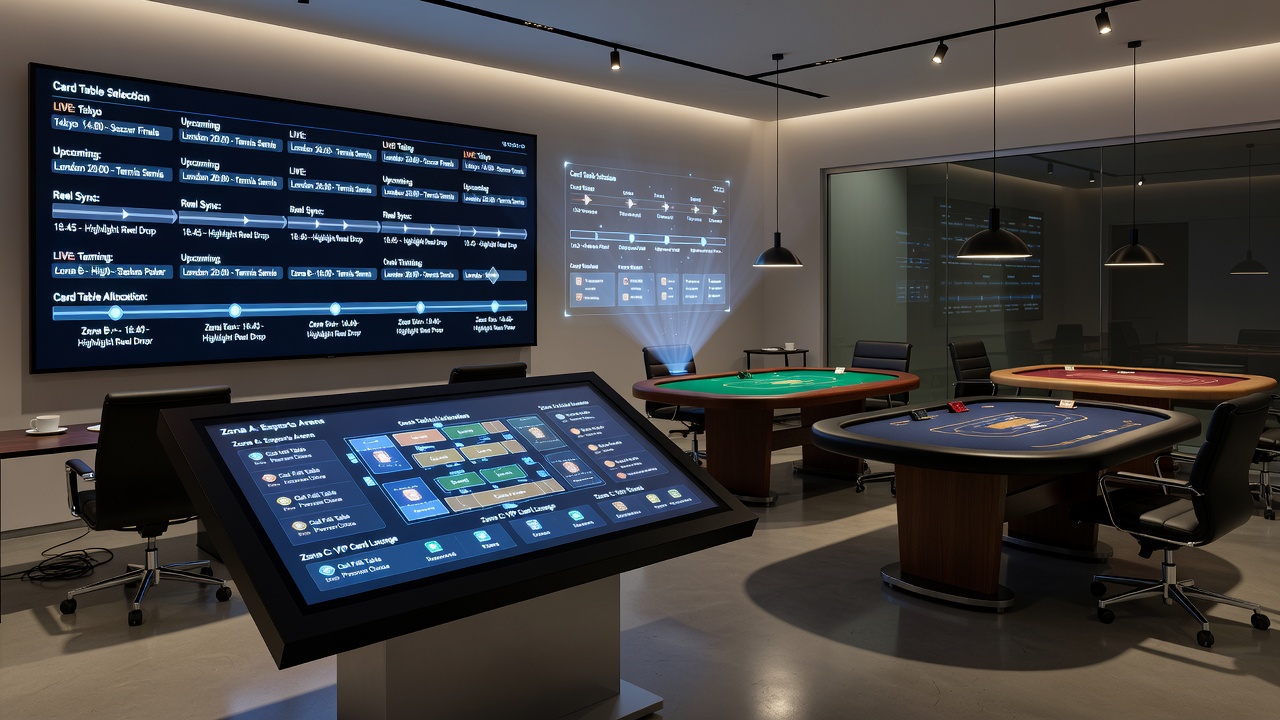
Operators use software that links reel payout schedules to match timelines so that bonus rounds or progressive features activate near expected commercial breaks. Data collected by the Australian Communications and Media Authority on integrated resorts shows that such alignments increased average session lengths without extending overall player dwell time beyond regulatory limits.
Card Table Selection Adjustments During Concurrent Markets
Card rooms adapt their game offerings based on the demographic shifts that accompany different sporting events. When rugby or cricket matches draw crowds from specific regions, tables may shift from standard blackjack to regional variants or higher-limit poker formats. Venues monitor attendance patterns through entry systems and adjust dealer assignments accordingly.
During July 2026 tournament clusters, several North American complexes reported reallocating tables toward games popular with international visitors following particular leagues. The process relies on advance schedule mapping rather than reactive changes, allowing consistent service levels across all zones.
Integration Challenges and Operational Responses
Coordinating these elements requires unified data systems that combine sports calendars with internal floor management tools. Complexes that maintain separate databases for reels and tables often experience delays when events run longer than expected. Facilities that merged these systems reported smoother handoffs between gaming types, according to presentations at the 2025 Global Gaming Expo.
Regulatory frameworks in multiple jurisdictions require documentation of these scheduling practices to ensure compliance with responsible gaming guidelines. Operators submit periodic reports detailing how match alignments affect table minimums and machine availability, creating a record that regulators can review during routine audits.
Conclusion
Multi-zone entertainment complexes continue refining methods for aligning global match schedules with reel timing and card table choices. The practices rely on data integration, advance planning, and regional regulatory oversight rather than ad-hoc decisions. As international sports calendars grow more dense, these coordination techniques provide measurable structure for managing activity across diverse gaming zones.